

Apple's latest macOS 26.6.2 update changes how the M5 Max chip manages power in the MacBook Pro 16, and the shift matters because it alters sustained performance for heavy workloads. Users who rely on continuous rendering or video editing may notice a drop in throughput unless they switch power profiles. The update lowers the sustained power limit in the default Automatic mode, which directly impacts how long the laptop can maintain peak speeds.
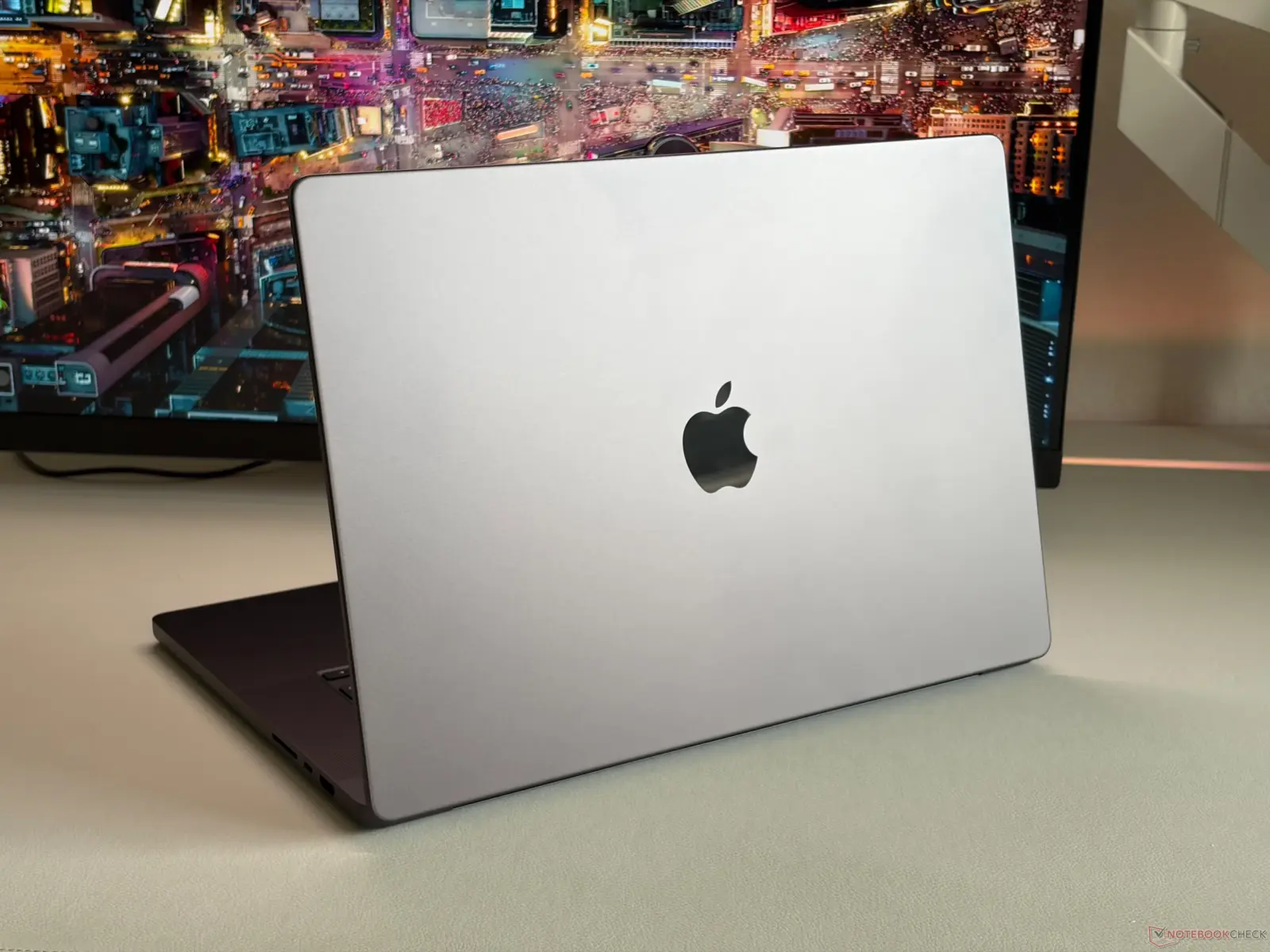
Automatic mode power draw drops to 54W while High Power mode sustains 70W
The hardware involved is the MacBook Pro 16 equipped with the M5 Max chip. We tested the system running macOS 26.3.1 and compared it against the newly released macOS 26.6.2. The change affects the power management logic that controls the chip's thermal and electrical limits during sustained loads.
- Chip: M5 Max
- macOS Version (Pre-update): 26.3.1
- macOS Version (Post-update): 26.6.2
- Power Limit (Automatic Mode, 26.3.1): 78 Watts peak, 65 Watts sustained
- Power Limit (Automatic Mode, 26.6.2): 75 Watts peak, 60 Watts then 54 Watts sustained
In the previous macOS 26.3.1 version, Automatic mode allowed the M5 Max to hit a 78-watt peak before settling at a 65-watt sustained limit. The new macOS 26.6.2 update reduces this sustained limit to 54 watts after an initial drop to 60 watts. NotebookCheck explains the change in their "Apple has changed this behavior in the current macOS 26.6.2. Now Automatic mode consumes up to 75 Watts but quickly drops to 60, and then only 54 Watts. In contrast, High Power mode now consumes 75/70 Watts, so sustained performance is better."
Performance benchmarks confirm the impact of the lower power ceiling. Cinebench 2024 Multi scores dropped by approximately 5% in Automatic mode after the update. The 3DMark Steel Nomad Stress Test showed a more significant 13% performance reduction under the same conditions. However, switching to High Power mode in macOS 26.6.2 maintains a 70-watt sustained limit, which preserves better performance than the new Automatic settings. Fan noise levels remained unaffected by the software update, suggesting the thermal design itself has not changed.
We looked at the last MacBook Pro 16 (2026) update earlier, and the balance between power efficiency and raw performance remains a key theme for this device. Apple likely adjusted these limits to address a specific bug rather than intentionally throttling the chip, according to the source's interpretation. Users who need maximum sustained performance should select High Power mode in the new update to avoid the lower power caps in Automatic mode.



Discussion
0 comments
Log in to join the thread with a thoughtful take, question, or correction.