
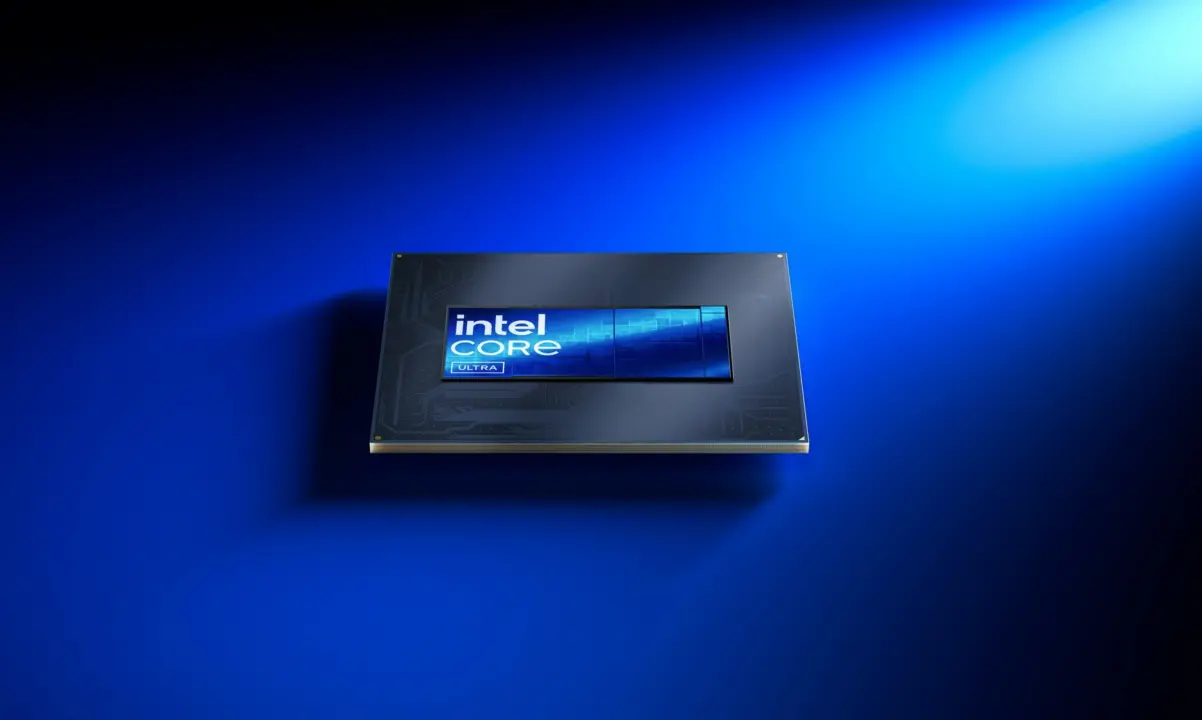
Intel is ending the long absence of simultaneous multithreading in its consumer processors by restricting the technology to server chips instead. This shift matters because it confirms that desktop and mobile users will not regain Hyper-Threading, a feature that many enthusiasts and productivity users have missed since the 12th generation. The decision reflects a calculation that physical core counts have become high enough to handle modern workloads without the efficiency trade-offs of virtual threads.
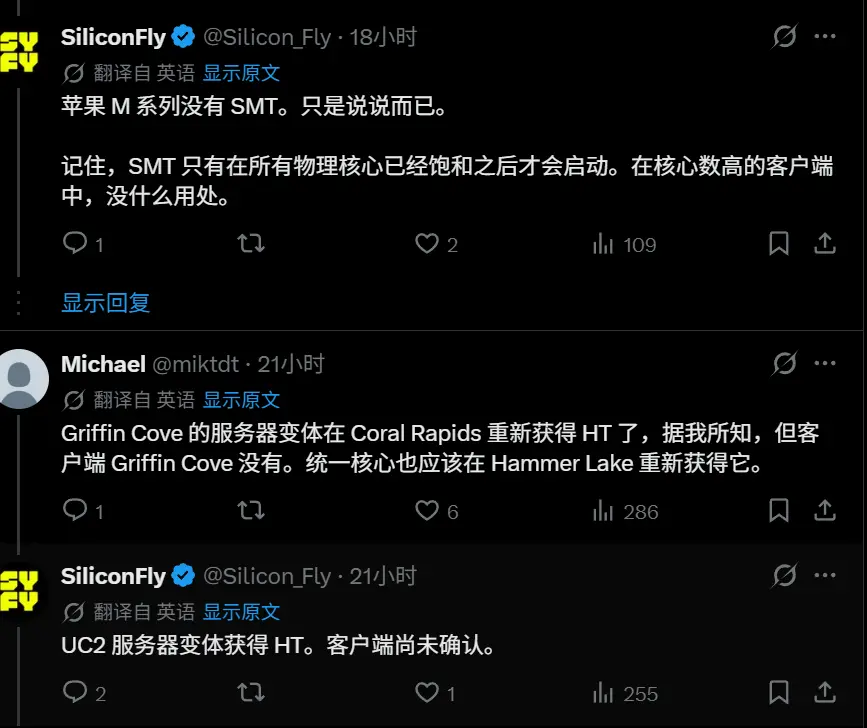
Intel confirms SMT exclusion for Core chips due to high core counts
The company plans to bring SMT back to the Xeon line with the Coral Rapids generation, which utilizes the Griffin Cove microarchitecture. Consumer Core processors will remain excluded from this update, maintaining a strict separation between server and desktop feature sets. This approach allows server workloads to scale efficiently while keeping consumer silicon focused on raw core performance.
- SMT Support: Excluded from Core (desktop/mobile), Included in Xeon (Coral Rapids)
- Transistor Overhead: ~5%
- Core Count Trend: 16-32 cores
- Xeon Microarchitecture: Griffin Cove
- Future Architecture: Hammer Lake (Unified Core)
The primary reason for excluding SMT from Core chips is the significant transistor overhead it requires, which Intel estimates at approximately five percent. Current desktop and mobile processors already feature core counts ranging from 16 to 32, which Intel considers sufficient for most tasks. Adding virtual threads to these high-core-count chips would consume valuable silicon area without delivering a proportional benefit to typical users.
Looking further ahead, Intel is developing a unified core architecture codenamed Hammer Lake that will replace the current split strategy. This future design aims to simplify the processor lineup by using a single core type across both client and server segments. The transition to Hammer Lake will likely occur after the Coral Rapids generation, marking the next major step in Intel's architectural evolution.
We have been tracking Intel Core / Intel Xeon closely — see our earlier coverage on Intel Xeon Coral Rapids to Bring. Intel confirms that SMT will return to servers in Coral Rapids but remains absent from consumer chips for now. The strategy prioritizes physical cores for desktop users while reserving multithreading for enterprise environments.
Discussion
0 comments
Log in to join the thread with a thoughtful take, question, or correction.