
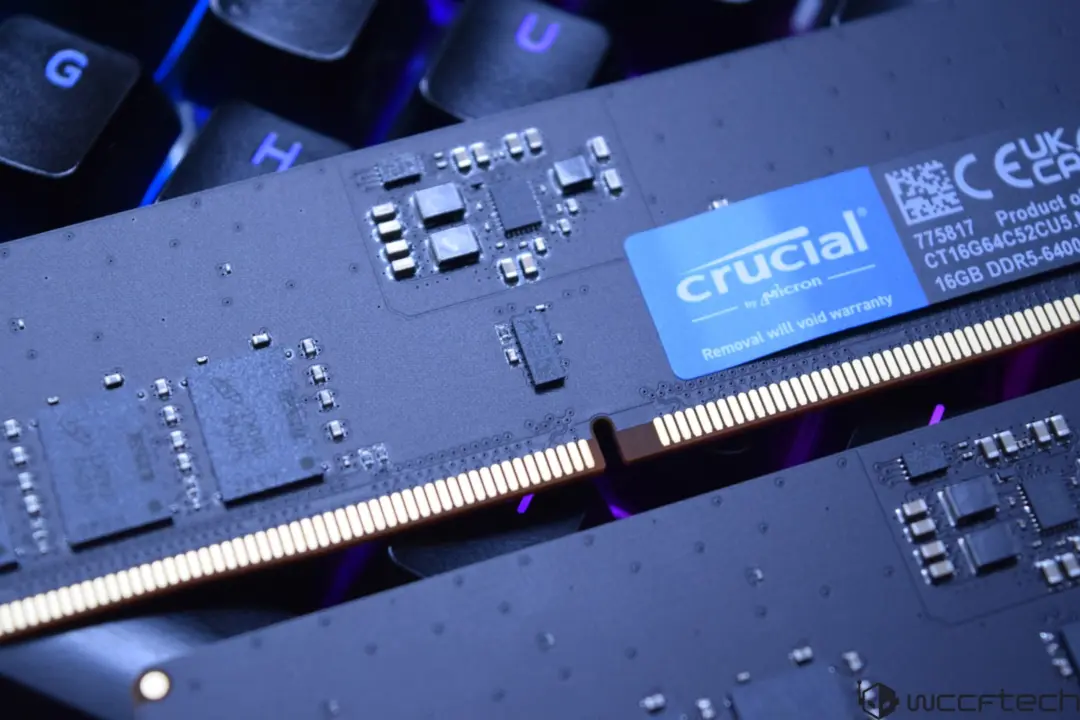
A warranty dispute involving Crucial's 128 GB DDR5 memory kit highlights a stark disconnect between original retail pricing and current market values. The incident matters because it reveals how quickly high-capacity memory modules can appreciate, leaving customers with defective parts facing significant financial loss if replacements are denied. This situation underscores the risks buyers face when investing in specialized hardware that may become scarce or discontinued.
Warranty dispute reveals steep price increases for discontinued memory
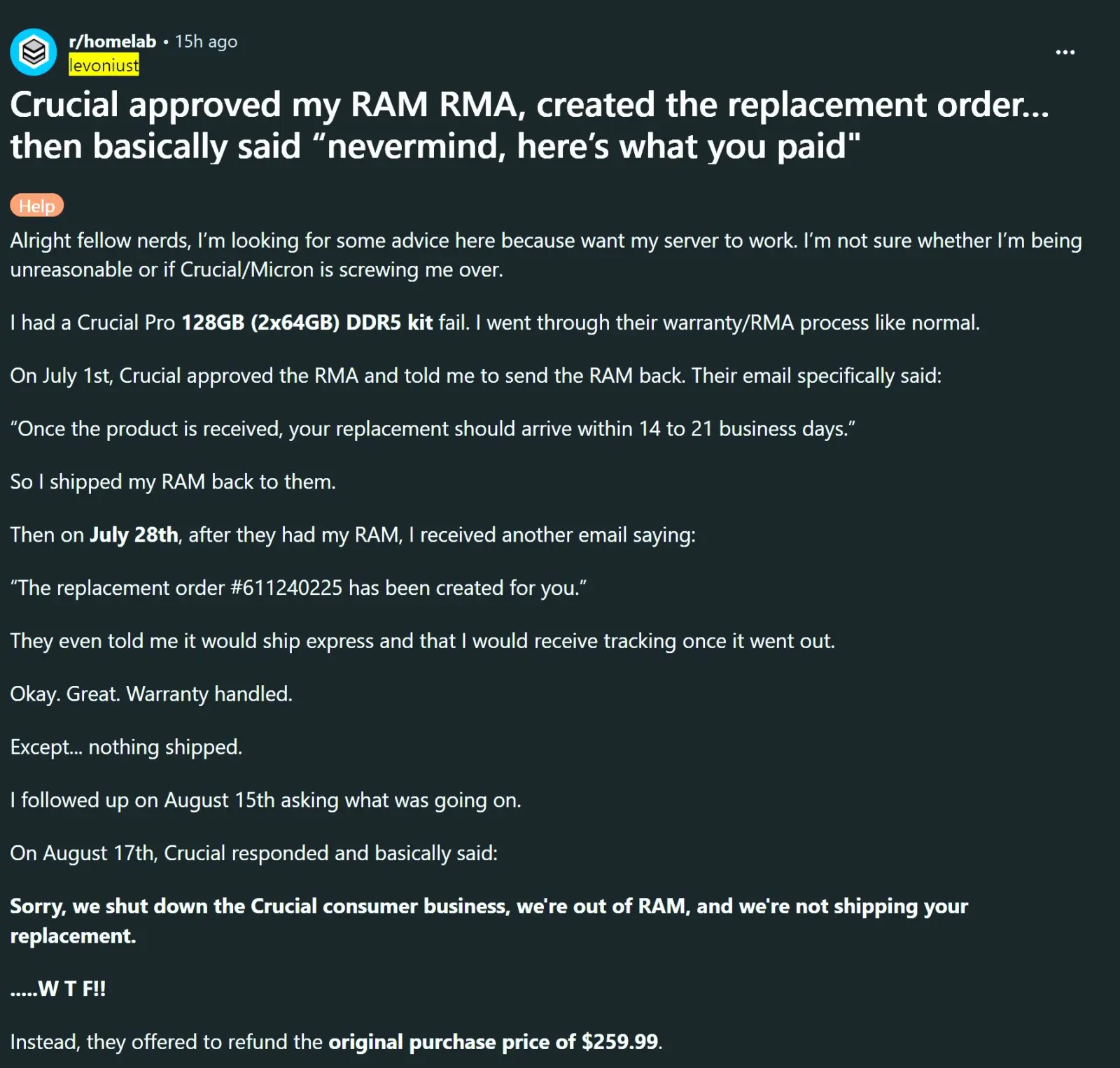
The product at the center of this controversy is the Crucial Pro 128 GB (2x 64 GB) DDR5 RAM kit. A Reddit user reported that one module in their kit failed, prompting them to seek a warranty replacement from the manufacturer. Crucial initially agreed to handle the request but later reversed their decision, citing the discontinuation of the product line as the primary reason for refusing a direct swap.
Crucial offered the customer a refund of the original purchase price, which was $259.99. This amount stands in sharp contrast to the current market value of the same kit, which now lists for approximately $1,800 at major retailers. Each individual 64 GB module in the pair is estimated to cost between $800 and $900 in the current secondary market, making the refund offer financially inadequate for the user.
The manufacturer stated that the returned kit might have already been processed or disposed of by their warehouse team. However, they acknowledged that one module was still functional when sent back and offered to check if any parts of the original kit remain available. If any components are found, Crucial indicated they would require a prepaid return shipping label to arrange the return of the specific module to the customer.
This case illustrates the practical challenges of maintaining high-end memory systems as technology evolves and older SKUs are phased out. Buyers relying on specific high-capacity configurations may find that warranty support becomes limited once production stops. The dispute serves as a reminder to verify current market values and replacement policies before committing to large memory purchases.
Discussion
0 comments
Log in to join the thread with a thoughtful take, question, or correction.