
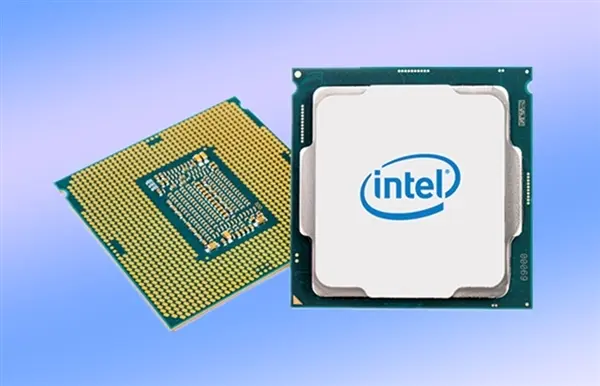
Intel has officially ended the production line for its aging Skylake and Kaby Lake processor families. This decision marks the conclusion of a decade-long run for these 6th and 7th generation chips, which remain staples in industrial and embedded computing sectors. Buyers relying on these specific architectures for long-term system stability must now transition to newer platforms or secure remaining inventory before the final cutoff.
Final shipping deadline set for August 2027
The order stoppage applies to 27 distinct processor models and six platform controller hub (PCH) variants. Key affected CPUs include the Core i7-7600U, Core i5-7300U, and Core i7-6600U, alongside select Celeron and Xeon E3 series parts. Intel issued the formal Product Change Notification, identified as PCN 873457-00, back in February 2024 to alert customers of this impending change.
Manufacturers and system integrators have until August 7, 2027, to fulfill any existing orders for these components. This three-year window allows for the completion of long-term contracts and the transition of embedded designs to successor parts. The final shipping deadline ensures that existing supply chains can wind down without immediate disruption to ongoing production runs.
Intel will continue to provide technical support for functional analysis requests for 12 months following the final shipping date. This support period is primarily intended to assist industrial and embedded PC sectors in troubleshooting legacy hardware issues. The extended support window acknowledges the long lifecycle requirements of non-consumer hardware deployments.
This announcement confirms the definitive end of the Skylake and Kaby Lake eras for new hardware development. The three-year buffer period provides a clear timeline for industry transition. Systems built on these processors will remain supported for analysis purposes until mid-2028, after which they will be fully discontinued.
Discussion
0 comments
Log in to join the thread with a thoughtful take, question, or correction.