

Microsoft is developing a new performance feature for Windows 11 called the Low Latency Profile. This update aims to significantly reduce input lag and improve system responsiveness during specific user actions. The feature is currently being tested within the Windows Insider beta program.
Beta testing indicates minimal impact on laptop battery life and temperature
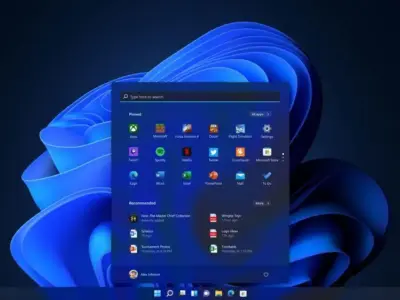
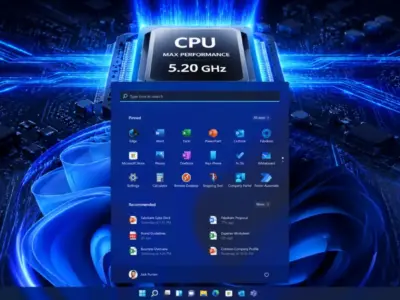
The Low Latency Profile works by briefly increasing the CPU clock frequency for short bursts of one to three seconds. Microsoft states that this boost activates when the operating system prioritizes certain tasks. Beta testing indicates that this mechanism can make app launches up to 40 percent faster. It also reduces the delay between a mouse click and the opening of context menus or the start menu by as much as 70 percent.
Windows Central reports that the feature is designed to have minimal impact on laptop battery life and temperature. The short duration of the CPU boost helps mitigate potential thermal or power concerns. General availability for all Windows 11 users is expected to be several months away. It remains unclear whether users will be able to manually deactivate the profile if it causes issues on specific hardware configurations.
General availability for all users is expected to be several months away
This update represents a targeted approach to improving perceived system speed without requiring major architectural changes. The focus on reducing latency for common interactions like opening menus and launching applications addresses frequent user complaints about input delay. The 70 percent speed boost claim applies to these specific prioritized actions rather than overall system throughput.
Microsoft has not confirmed the exact launch window for this feature. The timeline for general availability is estimated to be several months from now. Details regarding manual control options for the Low Latency Profile are still unconfirmed.
Discussion
0 comments
Log in to join the thread with a thoughtful take, question, or correction.