
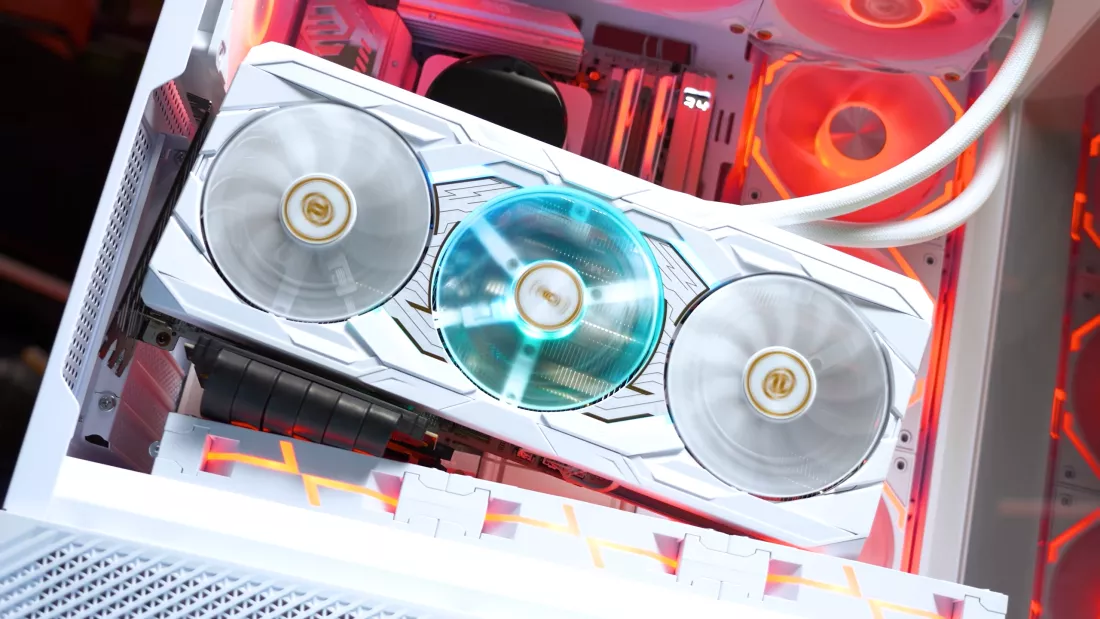
GPU prices across the major desktop markets have drifted further from manufacturer suggested retail prices, creating a tougher buying environment for gamers and builders. As of July 2026, graphics cards from Nvidia, AMD, and Intel are trading at an average of 16 percent above their true MSRP across ten tracked regions. This inflation stems largely from a sharp rise in component costs, specifically DDR5 DRAM, which has more than quadrupled in price over the preceding eight months. Buyers looking to upgrade their systems now face significantly higher entry costs than they did earlier in the year.
DDR5 DRAM costs quadruple while graphics card inflation lags at 16 percent
The price pressure hits every segment of the market, but the impact varies wildly by brand and model. Nvidia’s flagship RTX 5090 leads the inflation pack, with prices in the USA rising 8 percent to reach approximately $3,980. This surge pushes the top-end card closer to workstation-level pricing, a shift that TechSpot notes makes it difficult to view the product as a standard gaming GPU. Meanwhile, the mid-range RTX 5060 Ti 8GB saw prices drop in most regions, including an 8 percent cut in the USA, making it a relative value play compared to its 16GB sibling.
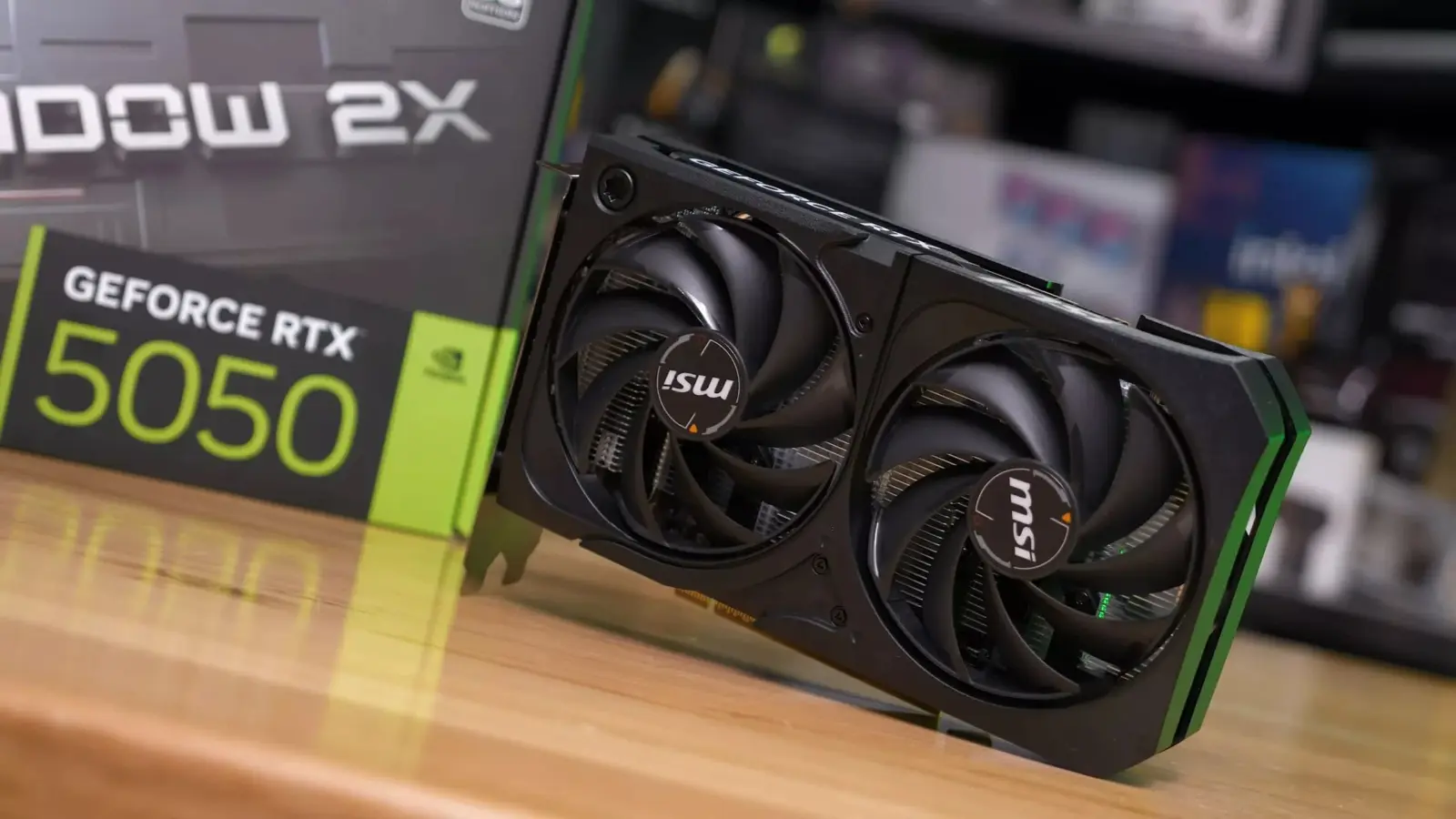
- GeForce RTX 5050 Price Change (Apr-Jul 2026): 0% (USA), -1% (Australia), 0% (Germany), -2% (UK), 11% (Canada), -1% (India), 14% (Philippines), 0% (Brazil), -1% (Poland), 2% (Netherlands)
- GeForce RTX 5060 Price Change (Apr-Jul 2026): 3% (USA), \-6% (Australia), 0% (Germany), 2% (UK), \-3% (Canada), \-6% (India), \-8% (Philippines), \-9% (Brazil), \-5% (Poland), \-3% (Netherlands)
- GeForce RTX 5060 Ti 8GB Price Change (Apr-Jul 2026): \-8% (USA), \-12% (Australia), \-3% (Germany), \-9% (UK), \-7% (Canada), \-10% (India), 8% (Philippines), \-5% (Brazil), \-9% (Poland), 3% (Netherlands)
- GeForce RTX 5060 Ti 16GB Price Change (Apr-Jul 2026): 14% (USA), 3% (Australia), \-2% (Germany), 6% (UK), 3% (Canada), \-3% (India), \-1% (Philippines), 0% (Brazil), 0% (Poland), 2% (Netherlands)
- GeForce RTX 5070 Price Change (Apr-Jul 2026): \-5% (USA), \-4% (Australia), 0% (Germany), 0% (UK), \-6% (Canada), \-6% (India), 2% (Philippines), \-8% (Brazil), \-2% (Poland), 5% (Netherlands)
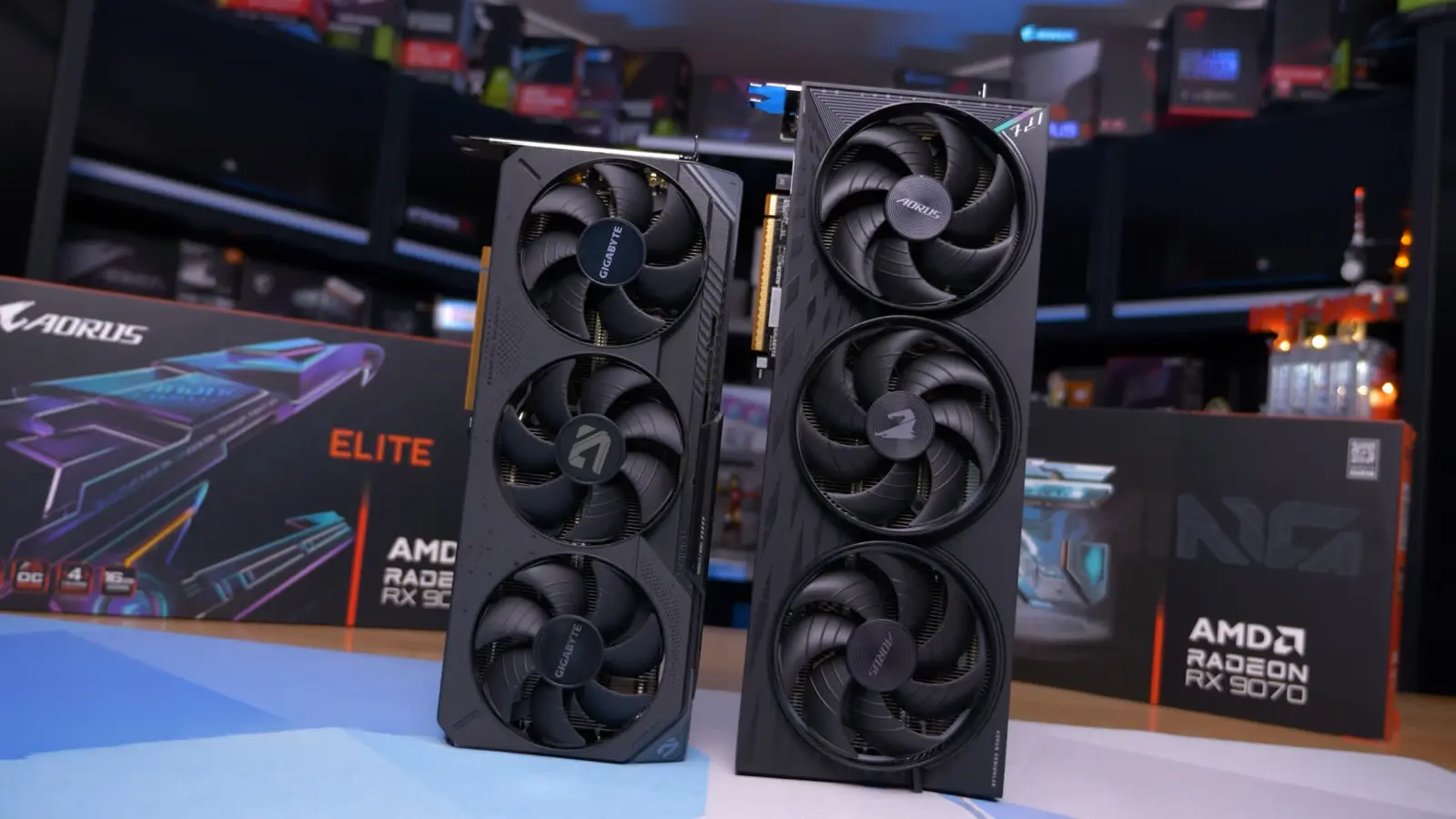
AMD and Intel are navigating a different landscape, with mixed results for their latest offerings. AMD’s RX 9070 and RX 9070 XT models remain relatively close to MSRP, with prices fluctuating only slightly across the ten regions. In contrast, Intel’s Arc Battlemage cards are facing both supply constraints and price hikes. The Arc B570 saw prices jump 26 percent in the UK and 7 percent in Germany, while availability is shrinking in many markets. The Arc B580 also saw price increases in key regions like Canada, where costs rose 22 percent.
Regional variations tell a complex story of local market dynamics and currency effects. Canada and the USA consistently show the highest inflation rates for high-end cards, with the RTX 5090 jumping 13 percent in Canada and 8 percent in the USA. Conversely, some European markets like Germany and the Netherlands saw price stability or even slight decreases for certain mid-range models. The RTX 5060 Ti 16GB, for instance, rose 14 percent in the USA but remained flat in Brazil. These disparities mean that the best deals for buyers depend heavily on their specific location and the exact model they are targeting.
Industry warnings suggest that these elevated prices may persist or even worsen as inventory depletes. Retailers and add-in-board partners have cautioned that future GPU price increases of up to 40 percent could occur as stock costs continue to climb. For consumers, this means that waiting for a price drop might not be a viable strategy in the near term. The current market environment rewards those who need a card immediately, while those who can wait might face steeper bills later in the year.
Discussion
0 comments
Log in to join the thread with a thoughtful take, question, or correction.