

MSI is facing backlash after refusing to replace a motherboard on a customer's high-end gaming laptop, citing that the repair cost exceeded the price of a new unit. This decision highlights a growing friction point for owners of expensive hardware who encounter failures shortly after their warranty period expires. Buyers relying on premium support from major manufacturers may find that financial thresholds override goodwill gestures when components fail.
MSI cites cost threshold to deny motherboard replacement
The device in question is the MSI Raider GE77HX 12UHS, a gaming laptop equipped with an Intel Core i9-12900HX processor and an NVIDIA RTX 3080 Ti graphics card. The original retail price for this configuration reached approximately $6,000, positioning it as a top-tier machine for enthusiasts. The specific unit experienced significant graphical artifacts and charging problems after 18 months of regular use, prompting the customer to seek a solution.
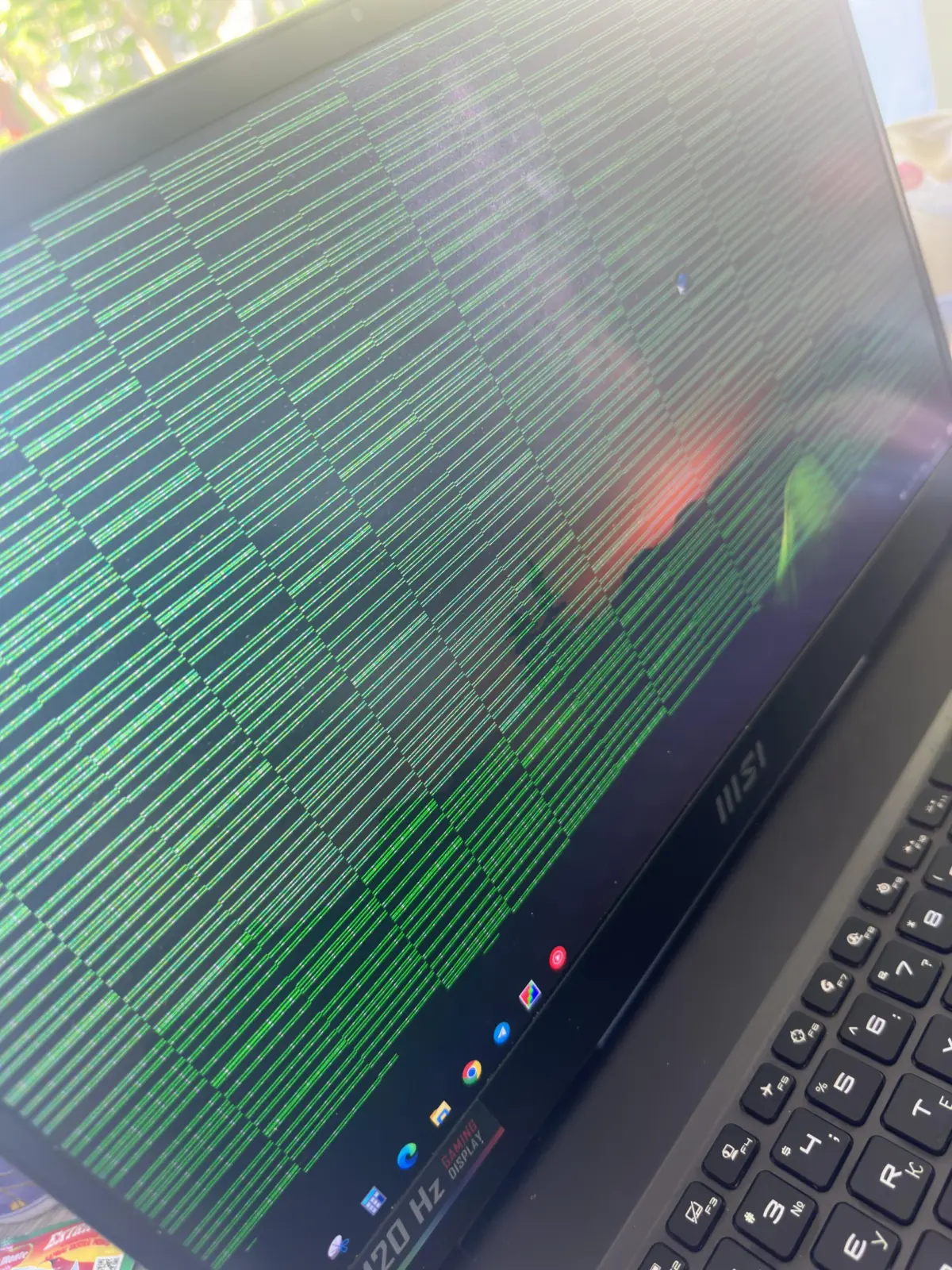
MSI classified the repair as Beyond Economical Repair because the quoted cost for a new motherboard was $1,800. This figure represents 75% of the laptop's original purchase price, which triggered the company's policy against component-level replacement. The customer initially received no formal quote but later confirmed the $1,800 figure through official channels. This threshold effectively forces owners to purchase a replacement device rather than fixing the existing one.
The controversy centers on the timing of the failure relative to the warranty coverage. The laptop's warranty period ended in November 2024, although the diagnosis and repair inquiry occurred in August 2024 while the device was still technically under coverage. MSI Global Service Management stated that official repair options were available at the time of the inquiry. The refusal to proceed with the repair despite the warranty having expired in November 2024 has drawn criticism from the user community.
This case illustrates how strict cost-benefit analyses in repair policies can impact consumer trust in premium electronics. Users with high-value devices should monitor warranty expiration dates closely to avoid unexpected repair denials. The situation remains a specific instance of customer service policy application rather than a widespread product defect recall.



Discussion
0 comments
Log in to join the thread with a thoughtful take, question, or correction.