
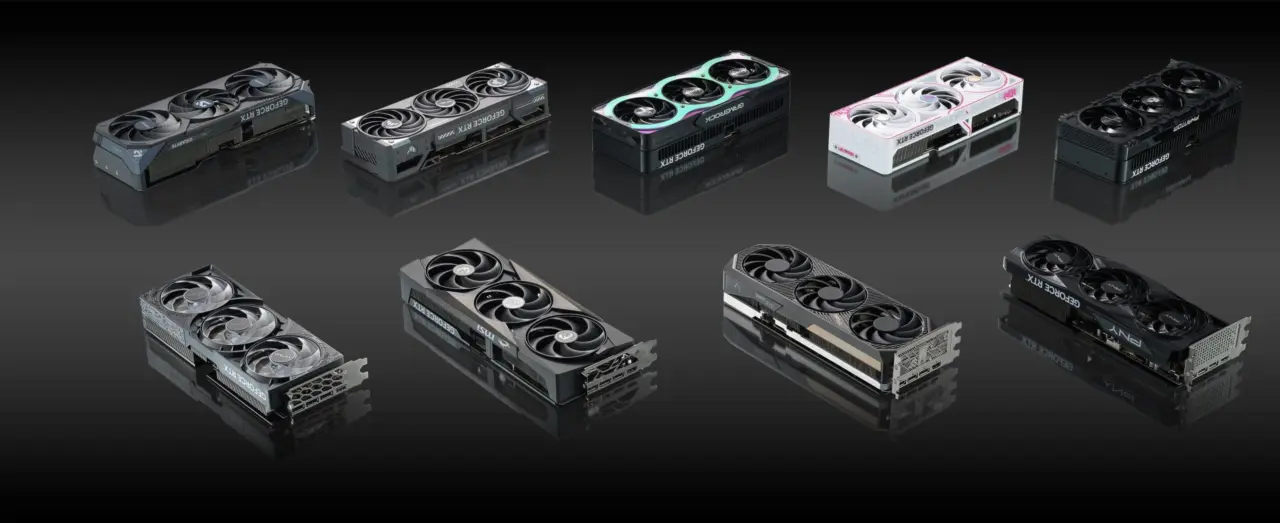
GPU prices in China have surged sharply as the cost of GDDR6 and GDDR7 memory modules climbs. This shift raises the floor for graphics card buyers who face higher retail costs across the board. Manufacturers are passing DRAM price hikes directly to consumers, affecting everything from entry-level cards to flagship models.
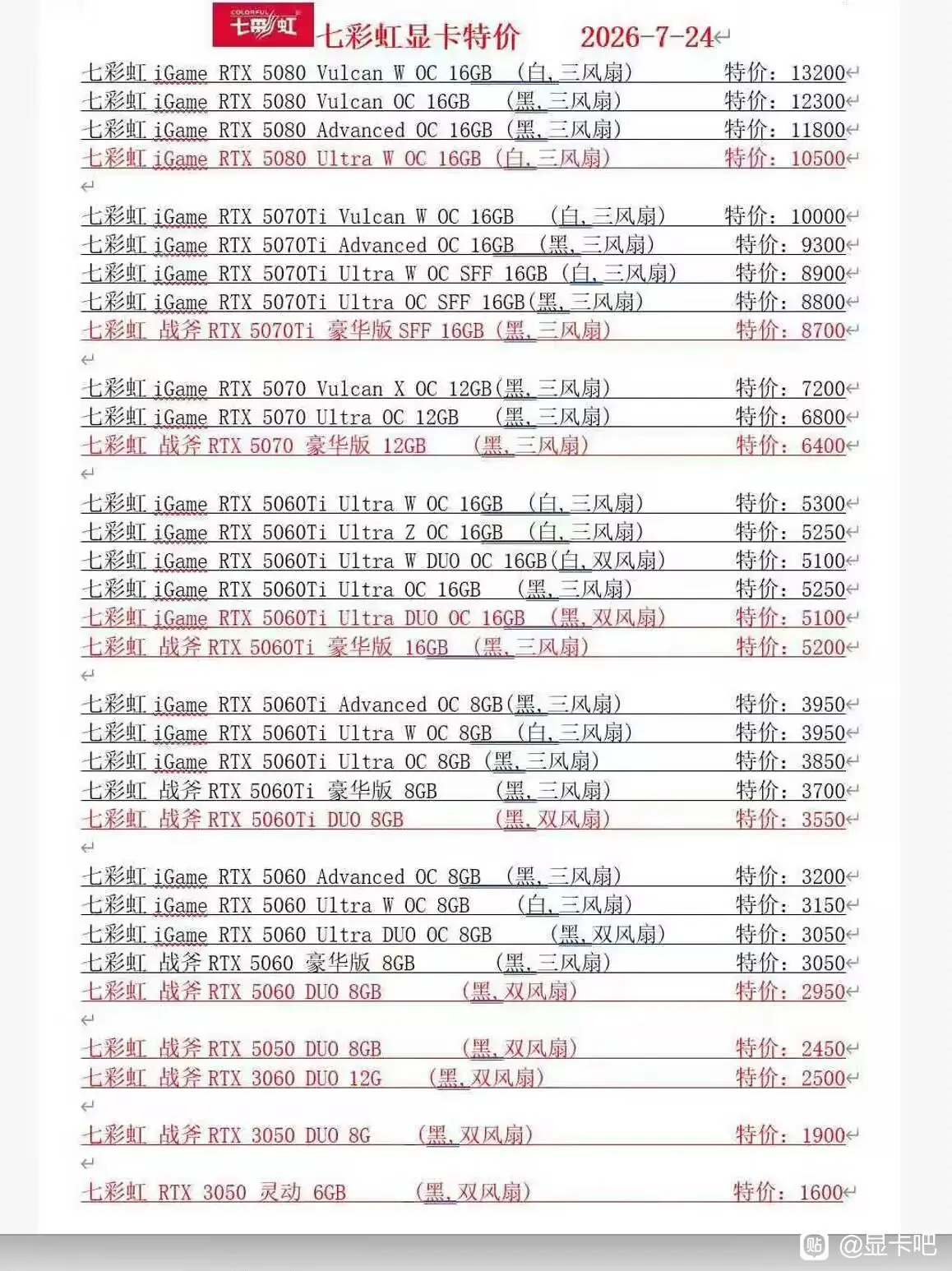
Retailers stockpile inventory as component costs drive prices higher
NVIDIA issued price increase notifications to partners like ASUS, MSI, and Colorful for its RTX 50 series lineup. The hikes target specific memory configurations, with 8GB cards seeing a 600 RMB (around $88.42) increase and 16GB models facing a 1200 RMB (around $177) jump. AMD cards are also feeling the pressure as GDDR7 costs continue to climb.
The average price for GDDR6 and GDDR7 modules has risen by $19 to $20 per chip. This component cost increase is the primary driver behind the retail price adjustments. Retailers are now stockpiling inventory in anticipation of further DRAM price hikes scheduled for the third and fourth quarters of 2026.
Retail prices for high-end cards have jumped significantly in the Chinese market. The RTX 5090 D V2 24GB variant is now listed at 27999 RMB (around $4,126), which exceeds $4000 US. The RTX 5080 Founders Edition has also climbed to 9999 RMB (around $1,473), sitting above $1500 US. Some complete desktop systems featuring the RTX 5090 have reached 59000 RMB (around $8,694), or around $8694 US.
We looked at NVIDIA Raises RTX 5090 and 5090 in our earlier Nvidia coverage. Some reports allege that manufacturers are creating an artificial shortage by locking in inventory ahead of expected price hikes.
Buyers in China are now facing immediate price increases across the GPU spectrum. The market is reacting to component costs that show no signs of stabilizing before late 2026. Consumers should expect higher prices for new hardware purchases in the coming months.

Discussion
0 comments
Log in to join the thread with a thoughtful take, question, or correction.