
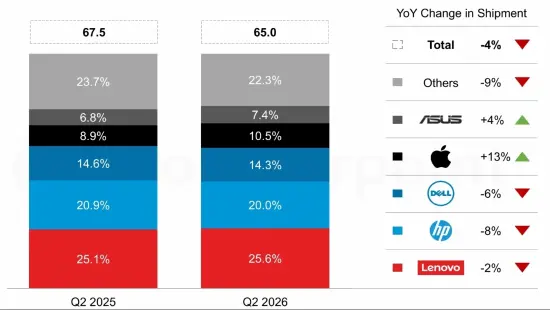
Global PC shipments fell 4% in the second quarter of 2026, marking the first year-over-year decline since early 2025. This drop matters to buyers because it signals that component shortages are finally reaching the consumer market. The slowdown forces a shift in how manufacturers price and stock their machines.
DRAM price hikes force OEMs to cut low-end models
Counterpoint Research and Kuai Keji reported that total shipments hit an estimated 65 million units. The decline reflects a broader industry struggle rather than a single vendor failure. Major players like Lenovo, Dell, and HP all recorded single-digit drops in unit sales.
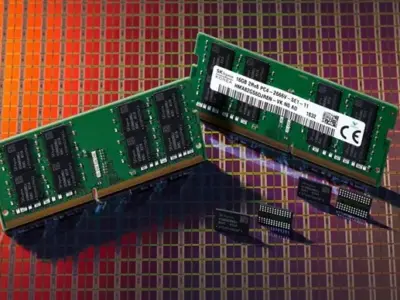
The root cause of this contraction is a sharp surge in DRAM memory prices. High demand for High Bandwidth Memory (HBM) in AI data centers is squeezing the supply available for standard consumer PCs. OEMs must now navigate a supply chain where memory costs are driven by server-grade AI workloads.
Apple bucked the trend with a 13% increase in shipments, supported by the new MacBook Neo. ASUS also grew by 4% as it pushed new processor technologies and AI-focused models. These exceptions highlight that innovation can still drive sales even when the broader market shrinks.
Manufacturers are now under pressure to raise prices, cut low-end models, or focus on high-margin products. Consumer demand is weakening as buyers delay or cancel purchases due to higher costs. The market is entering a phase where affordability is the primary barrier to entry.

Discussion
0 comments
Log in to join the thread with a thoughtful take, question, or correction.