
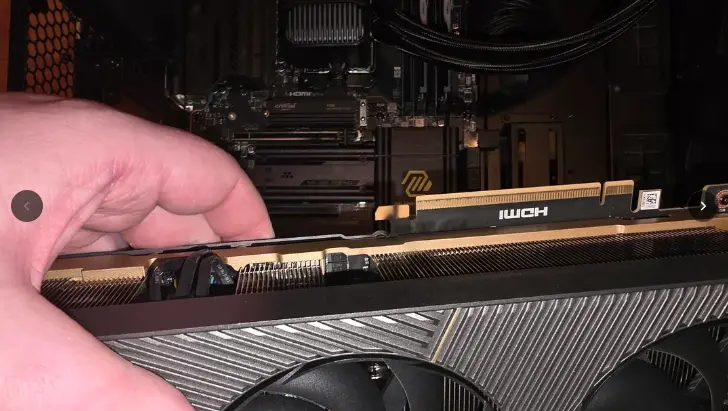
A high-end NVIDIA RTX 5090 graphics card failed catastrophically after just five minutes of gameplay, raising immediate questions about component reliability in next-generation hardware. This incident matters because it involves a flagship GPU, and buyers of similar high-performance cards should monitor reports of early hardware defects. The incident happened during gameplay of Assassin's Creed IV Black Flag Remastered, a game that stresses modern graphics capabilities without necessitating extreme overclocking.
GPU emits smoke and cracks during Assassin's Creed IV Black Flag Remastered
The damaged unit shows significant physical trauma to the surrounding system components, indicating the failure was not isolated to the card itself. Inspection of the hardware revealed blackened residue on both the graphics card's PCB and the motherboard's PCIe slot area. This suggests that the event generated enough heat or electrical arcing to damage the connection points between the GPU and the system board.
- Power Connector Status: 12V-2×6 power connector intact, no melting or burning traces
- Damage Location: PCB and motherboard PCIe slot area show blackened residue
- Game Duration: Approximately 5 minutes
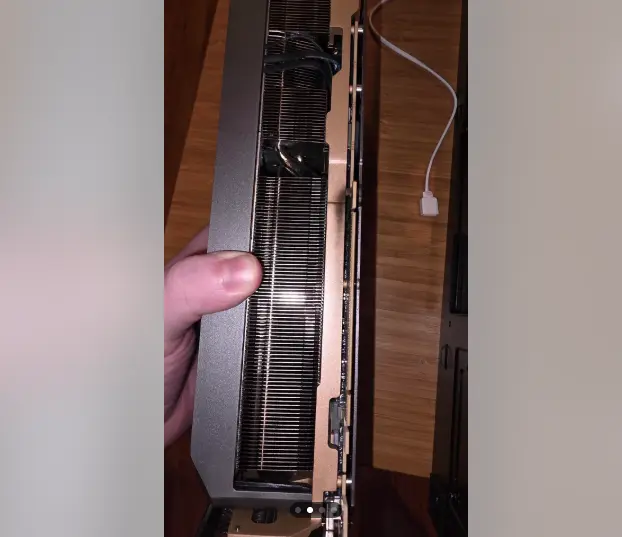
Despite the extensive damage to the board and slot, the 12V-2×6 power connector on the graphics card remains intact with no signs of melting or burning. This specific finding rules out connector melting as the primary cause of the smoke and cracking sound reported during the incident. The power interface appears to have survived the event that destroyed the surrounding circuitry, shifting suspicion toward internal card faults.
The exact cause of the failure remains undetermined while NVIDIA processes the unit through its official RMA inspection. Community speculation points to two main possibilities: a component short circuit or physical bending of the PCB. Both the GPU and the motherboard are currently undergoing inspection to determine if the damage was caused by a manufacturing defect or external stress.
We've been tracking RTX 5090 closely — see our earlier coverage on NVIDIA RTX 5090 SE Rumored at. The current incident highlights the risks associated with early adoption of new GPU architectures, even when power connectors meet design specifications. Buyers should await official RMA results before drawing conclusions about widespread hardware issues.
Discussion
0 comments
Log in to join the thread with a thoughtful take, question, or correction.