

Artificial intelligence upscaling has shifted from a nice-to-have feature to a strict requirement for modern PC gaming. Rising costs for GDDR7 memory and solid-state drives are pushing GPU prices higher, which means developers can no longer rely on raw hardware power alone. This change forces players to adopt AI tools like NVIDIA DLSS, Intel XeSS, and AMD FSR to maintain playable frame rates.
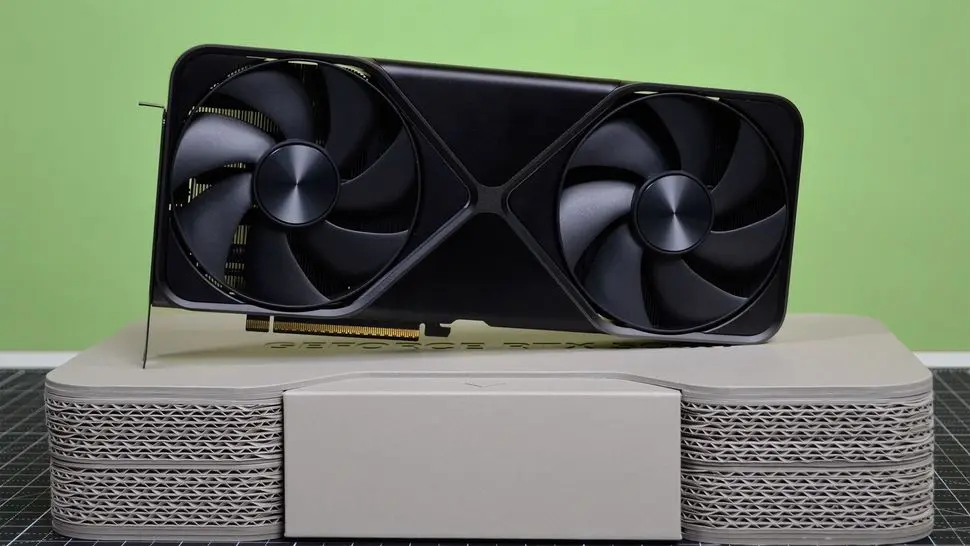
Rising hardware costs force reliance on AI upscaling technologies
NVIDIA is preparing to release DLSS 5, which functions as an aggressive image reconstruction filter. The technology aims to reconstruct frames using deep learning, but it carries a risk of altering the original artistic intent of games. Titles such as Starfield, Resident Evil Requiem, and Hogwarts Legacy may lose their unique visual styles under this heavy processing.
Intel XeSS 3 introduces Multi-Frame Generation support for its Alchemist and Battlemage GPUs. This update also extends compatibility to handheld devices like the MSI Claw 8 EX AI+. AMD currently offers FSR 4 Redstone, which trails behind NVIDIA's DLSS 4.5 in performance benchmarks. The industry is now waiting for AMD's upcoming FSR 5 to close this performance gap.
The rapid evolution of these technologies suggests that upscaling will become a mandatory standard for game optimization. This shift allows developers to release titles with lower native optimization, relying on AI to boost performance. DLSS 5 is expected to launch in Fall 2026, with broader market impacts likely visible by 2027. We've been tracking DLSS, XeSS, FSR closely — see our earlier coverage on Gainward RTX 50 Series DLSS 4.5 Preview.


Discussion
0 comments
Log in to join the thread with a thoughtful take, question, or correction.