
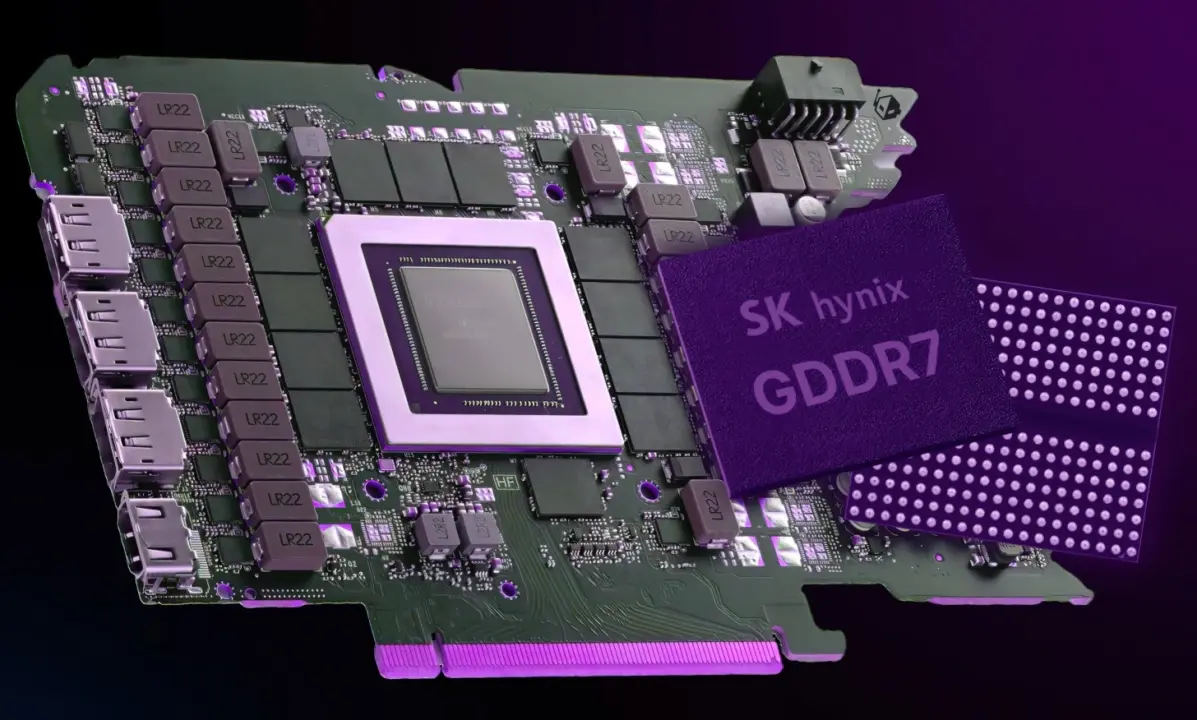
NVIDIA is preparing to release the RTX 5070 Ti SUPER, a graphics card that addresses the growing memory bottlenecks seen in current high-resolution gaming. This update matters because the standard RTX 5070 Ti often struggles with 16GB of VRAM at 4K settings, while the new 24GB capacity allows for smoother performance with ray tracing and DLSS enabled. Buyers who prioritize future-proofing at high resolutions will find this extra memory crucial for avoiding stuttering in demanding titles.
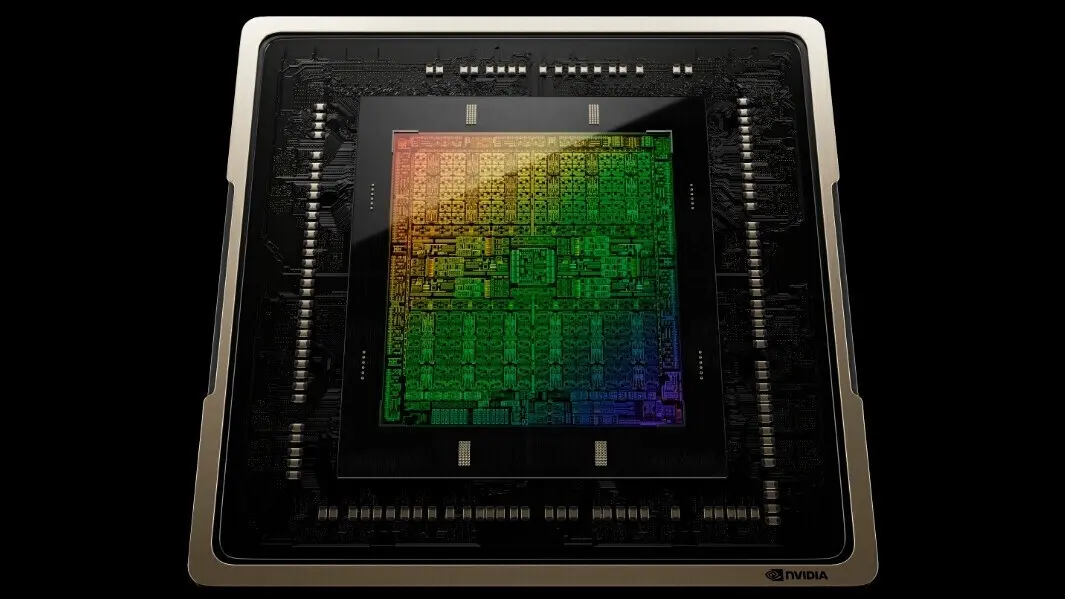
24GB VRAM addresses 4K gaming bottlenecks while core specs remain unchanged
The new GPU retains the exact same silicon core as the standard RTX 5070 Ti, meaning the fundamental architecture and core clock speeds remain unchanged. This strategy allows NVIDIA to differentiate the product primarily through its memory subsystem rather than raw computational power. The card targets gamers who need more texture space without requiring a complete redesign of the underlying chip.
The most significant technical change is the jump to 24GB of GDDR7 memory, which represents a 50 percent increase over the standard model. Despite this larger capacity, the memory bus width stays at 256-bit and the speed remains at 28Gbps, so the overall memory bandwidth does not increase. To support these components, the total board power draw (TDP) rises from 300W to 350W, requiring robust cooling and power supplies.
We looked at GIGABYTE RTX 5070 INFINITY Specs earlier while tracking Nvidia launches. The RTX 5070 Ti SUPER is expected to launch at CES in early 2027, following delays caused by strong AI demand and memory supply constraints. Pricing is anticipated to rise but should stay below the RTX 5080 to avoid market confusion. This release window gives NVIDIA time to adjust to supply chain pressures before introducing the new SUPER variant.
Rumors indicate that performance gains over the standard RTX 5070 Ti will be modest in raw rasterization but substantial in high-resolution scenarios with heavy ray tracing. The larger VRAM pool directly prevents the severe frame rate drops that occur when textures exceed available memory. This confirms that the SUPER designation here serves as a capacity upgrade rather than a speed boost.

Discussion
0 comments
Log in to join the thread with a thoughtful take, question, or correction.