
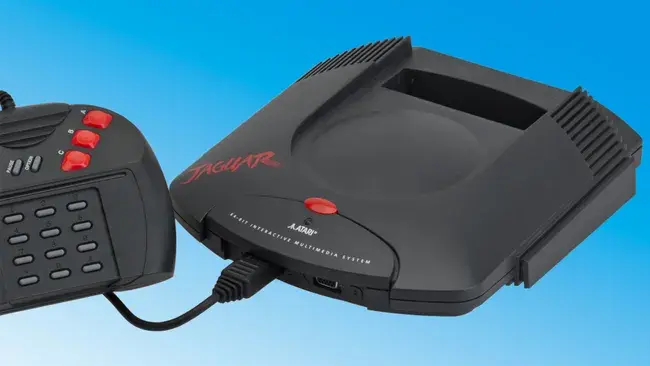
A Spanish developer has successfully ported Linux to the Atari Jaguar, proving that the 1993 console can run modern operating systems. This achievement matters because it transforms a historically difficult piece of hardware into a viable platform for retro computing enthusiasts. The project demonstrates that even consoles with severe architectural limitations can support complex software with enough optimization.
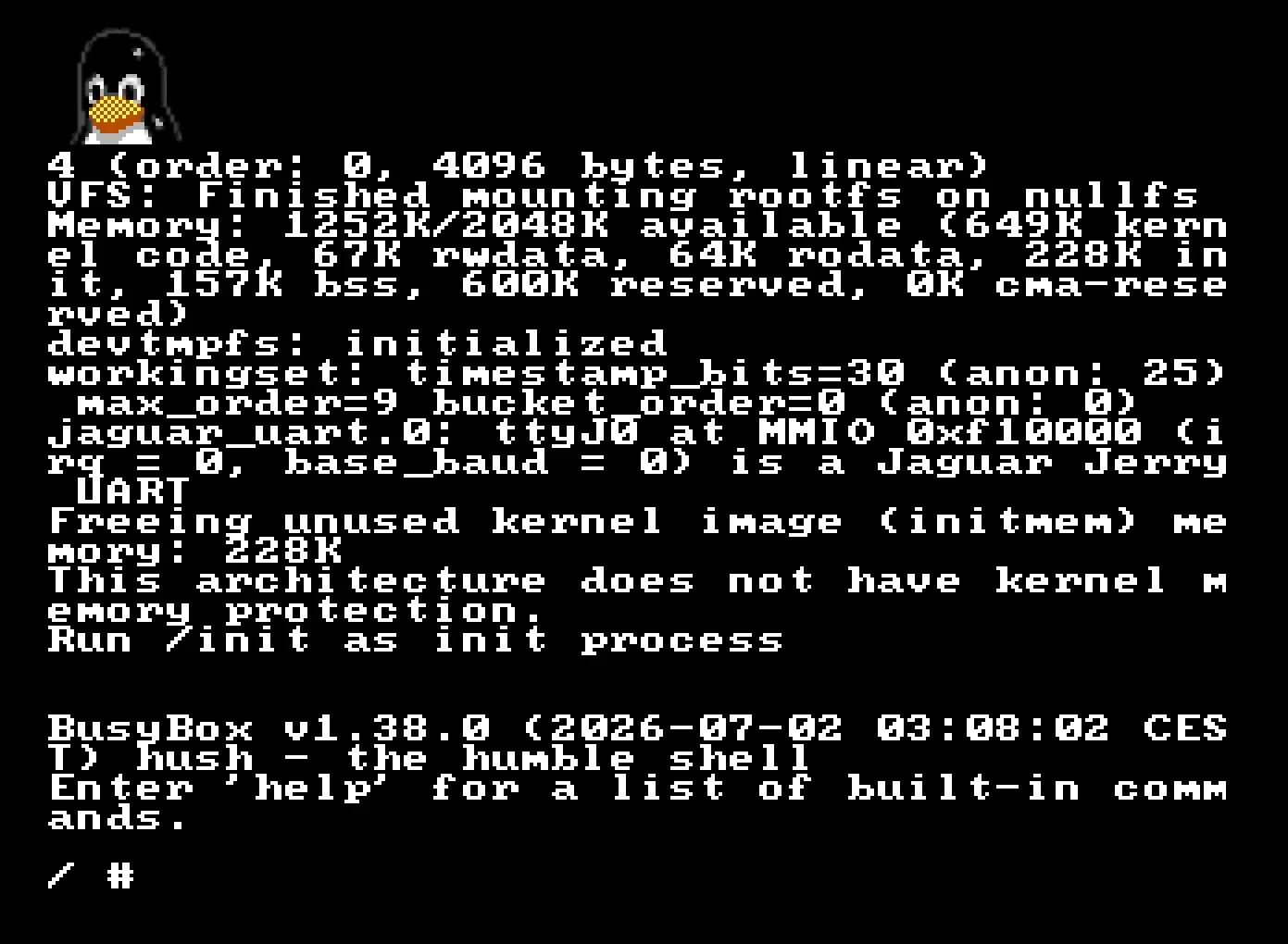
Spanish developer overcomes tight memory constraints to run open source OS
The Atari Jaguar originally launched with a unique architecture that relied on two custom co-processors named Tom and Jerry. The main CPU is a Motorola 68000 running at 13.3 MHz, which lacks a Memory Management Unit. This absence of an MMU requires the use of uClinux, a version of the Linux kernel designed for systems without memory protection hardware.
The system operates with only 2MB of RAM and a maximum of 6MB of ROM. These tight constraints forced the developer to write custom console drivers for the Tom co-processor. These drivers enable basic command-line functionality, allowing users to interact with the operating system through a terminal interface.
The resulting Linux build can run on actual Jaguar hardware using a cartridge or within emulation software. This port highlights the extent to which software optimization can overcome the Jaguar's limited memory and processing power. It also provides a new way for collectors to experiment with the console's capabilities beyond its original game library.
We looked at other retro Linux ports earlier while tracking vintage hardware hacks. The Jaguar now joins a small group of classic consoles that can run open-source operating systems. This port confirms that the hardware is fully functional for non-gaming tasks when given the right software support.


Discussion
0 comments
Log in to join the thread with a thoughtful take, question, or correction.