
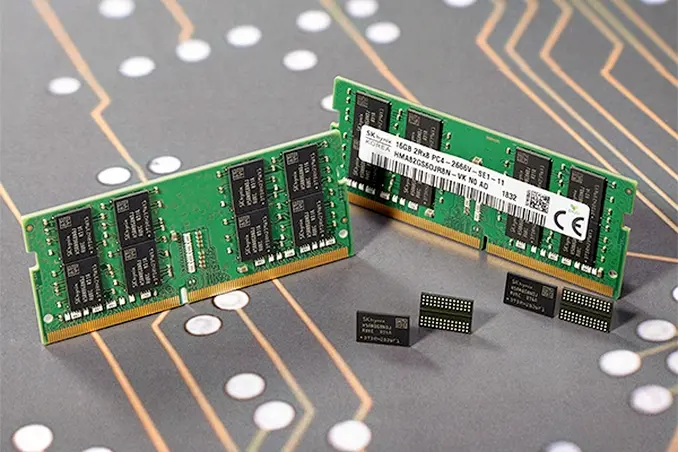
Apple faces a severe memory shortage that threatens device production, prompting the company to seek lower-cost components from Chinese manufacturers. Global DRAM prices have surged by 90% in the first quarter of 2026 and another 60% in the second quarter, creating a significant cost barrier for hardware makers. This price spike means component costs have quadrupled compared to three years ago, forcing Apple to explore alternative supply chains to maintain margins and availability.
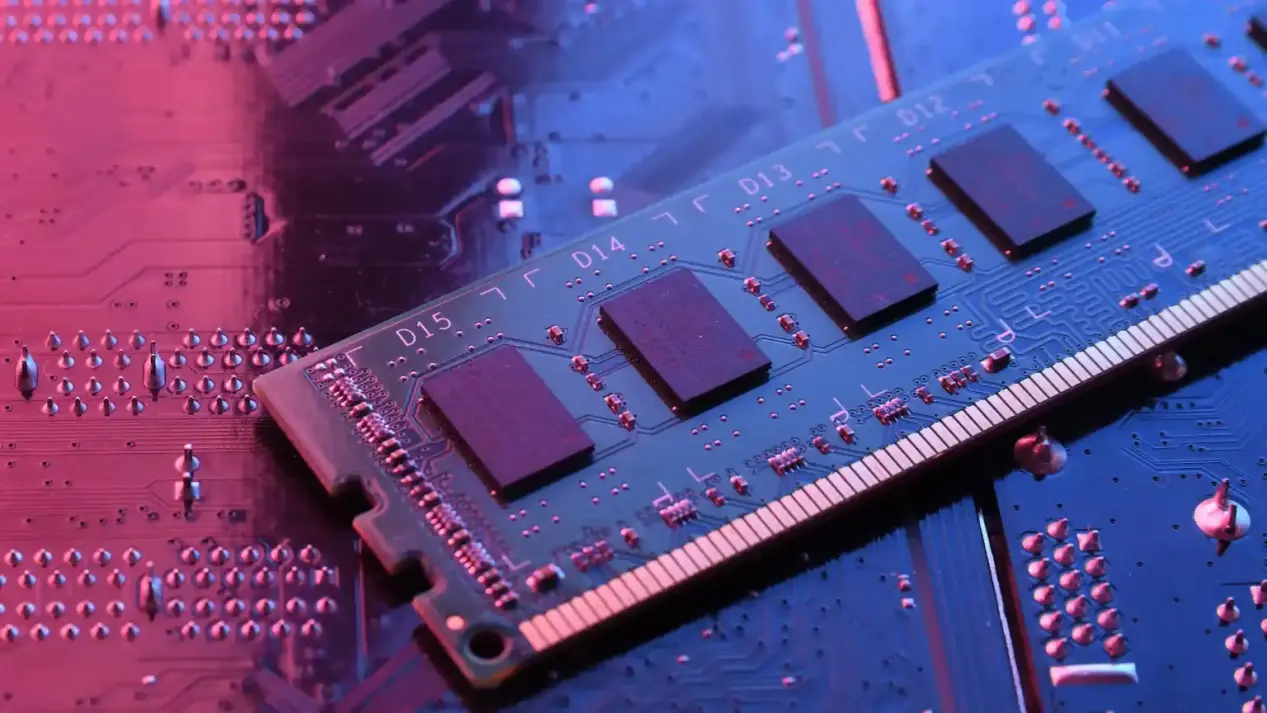
Apple negotiates with Chinese memory makers to offset 90 percent price hikes
The tech giant is currently negotiating with CXMT (ChangXin Memory Technologies) and YMTC (Yangtze Memory Technologies Corp) to purchase DRAM chips. Apple intends to use these Chinese-sourced memories primarily for devices sold within the China market. This strategy aims to free up capacity from other suppliers for devices destined for the US and other regions, where geopolitical tensions make Chinese components less viable.
- DRAM Price Increase (Q1 2026): 90%
- DRAM Price Increase (Q2 2026): 60%
- DRAM Cost Multiplier: 4x
Market analyst Ming-Chi Kuo notes that CXMT's current production capacity is lower than domestic Chinese demand, making the deal challenging. Apple must secure new supply sources due to this imbalance, even as the company navigates complex political headwinds. Some US officials oppose the inclusion of Chinese firms in Apple's supply chain, citing previous failed attempts to integrate these vendors in 2022.
The negotiations remain ongoing with no final agreement reached, leaving the outcome uncertain due to US restrictions. If successful, CXMT could transition from a domestic alternative to the fourth largest DRAM manufacturer globally. We looked at Apple lobbies U.S. for CXMT memory in our earlier Apple coverage to understand the broader context of this supply chain shift.
Apple's move highlights the intense pressure on hardware manufacturers to secure memory supplies amid rising global costs. The company's willingness to engage with Chinese vendors underscores the severity of the current DRAM shortage. Buyers should monitor how these negotiations impact device pricing and availability in both China and international markets.

Discussion
0 comments
Log in to join the thread with a thoughtful take, question, or correction.