
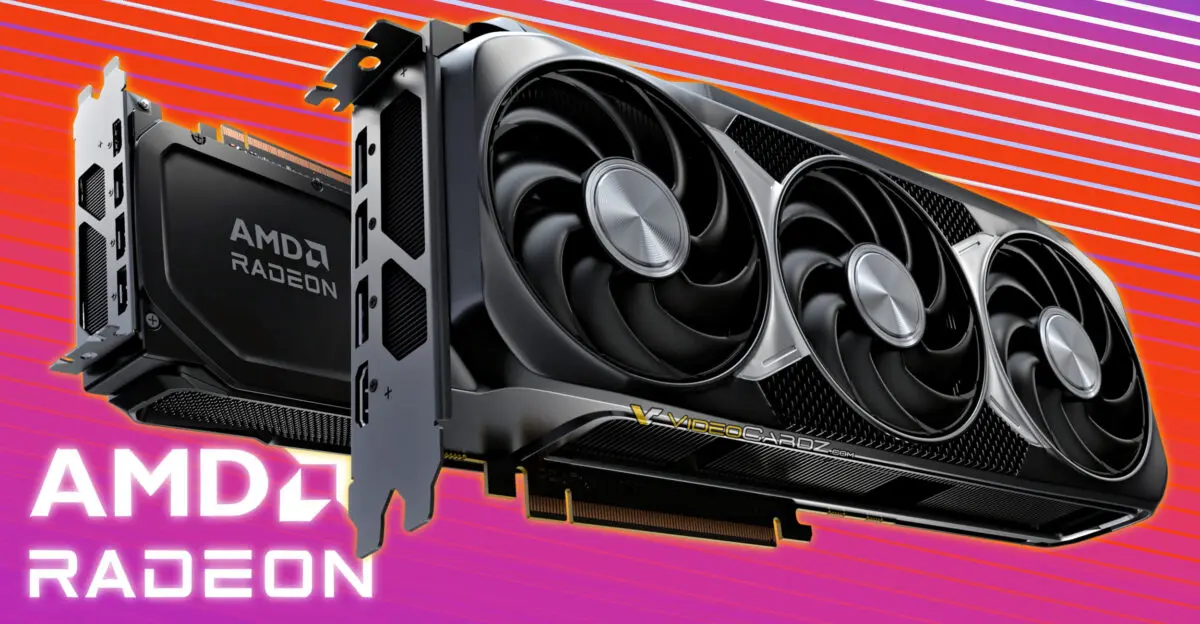
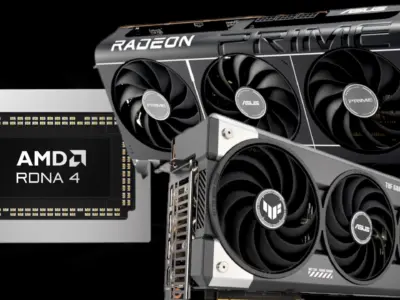
Hardware buyers should expect higher costs for Radeon graphics cards starting in July as AMD raises component prices. The chipmaker reportedly informed its add-in board partners of a 10 percent increase in supply costs for GPU and memory bundles. This adjustment directly impacts the retail market, as partners must decide how much of the added expense to pass on to consumers. System builders and gamers planning upgrades will likely see price tags rise, though the exact amount remains uncertain.
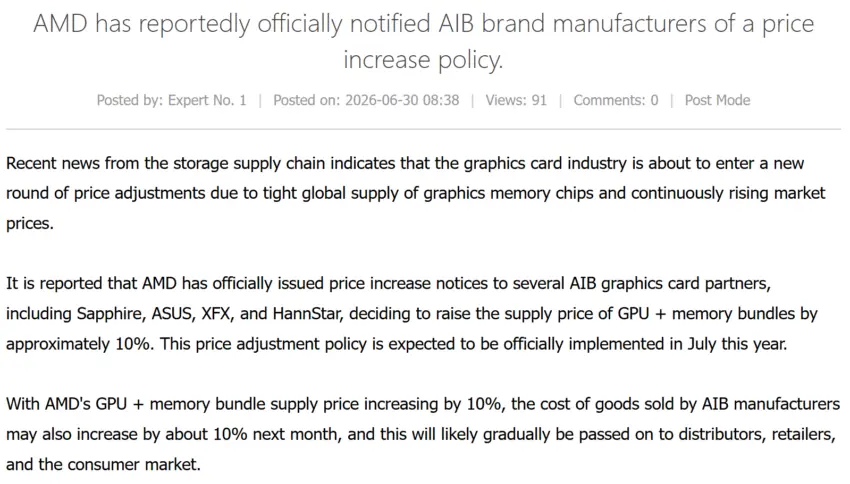
Partners absorb higher component costs before retail adjustments
The price hike targets the Radeon GPU product line and associated memory components. AMD is working with major manufacturing partners including Sapphire, ASUS, Vastarmor, and XFX to implement these changes. These companies assemble the final graphics cards that consumers purchase from retailers. The notification marks a shift in supply chain economics for the brand.
The core detail driving this market shift is the 10 percent increase in component supply prices. This figure applies to bundles that include both the graphics processing unit and the memory modules. The adjustment is scheduled to take effect in July. Partners receive these higher costs before distributors and retailers set final shelf prices.
Retail price increases will not necessarily match the 10 percent component cost hike immediately. Add-in board partners first absorb or distribute the higher costs, then distributors and retailers determine the final consumer price. This process means buyers might not see immediate changes on store shelves. The timing of any retail price adjustments depends entirely on partner decisions.
This development follows earlier reports suggesting a potential 10 to 15 percent price increase for the third quarter of 2026 or July. Those previous rumors hinted at a similar upward trend in component costs. AMD has not issued a public press release confirming the specific 10 percent figure. The information comes from industry channels and reporting outlets.
NVIDIA partners have not received a similar notice regarding component price increases. This distinction highlights that the cost pressure is currently specific to the Radeon ecosystem. The market remains divided as one major vendor adjusts supply while the other maintains current pricing structures.
Discussion
0 comments
Log in to join the thread with a thoughtful take, question, or correction.