
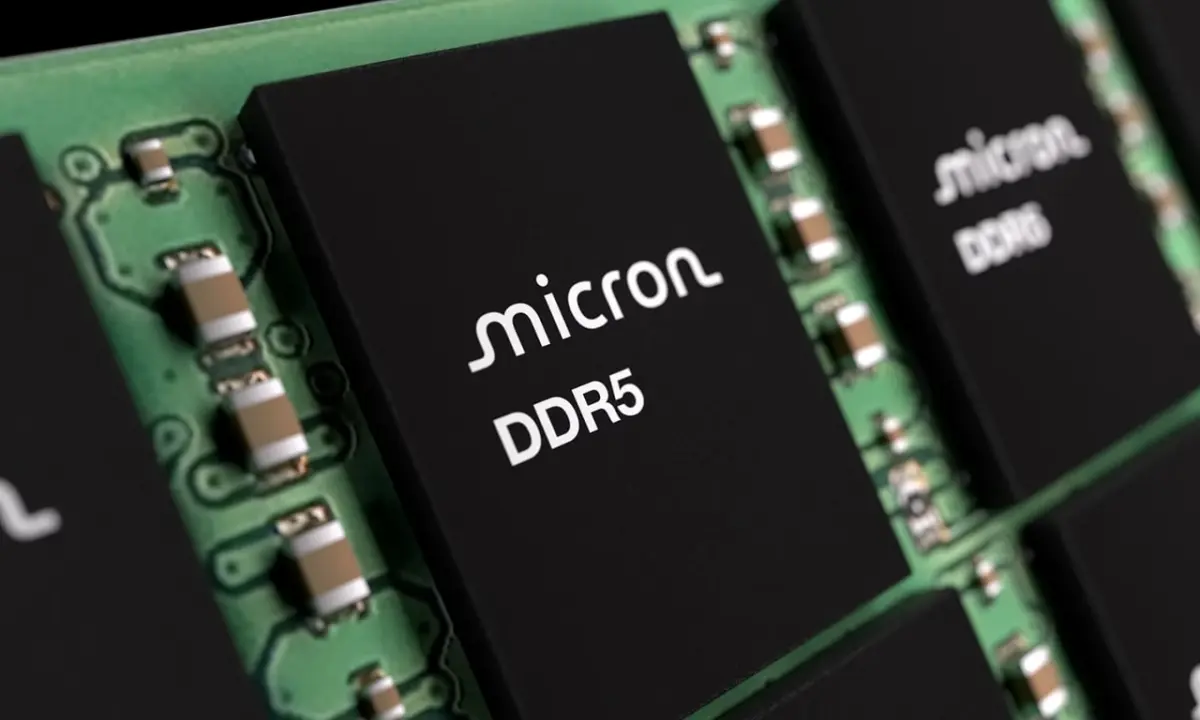
Memory and storage prices are likely to stay elevated for years as a severe supply shortage shows no signs of easing. This prolonged tightness means buyers should expect higher costs for PCs, servers, and gaming consoles well into the next decade. The bottleneck is not a temporary glitch but a structural mismatch between surging demand and limited production capacity.
Micron CEO predicts memory supply will not meet demand until 2028
Micron CEO Sanjay Mehrotra outlined this outlook during a recent market update, signaling that the industry cannot quickly scale output to meet requirements. He stated that customers already recognize the supply shortage will take quite a while to improve. The company attributes the strain to massive AI data center demand, which consumes vast amounts of memory and drives prices up.
The timeline for relief remains distant, with Micron forecasting that industry-wide supply conditions will only begin to gradually improve in 2028. Mehrotra noted that the company currently cannot determine when memory supply will finally catch up with growing market demand. This gap between supply and demand is the primary driver behind the sustained price increases across the hardware sector.
PC manufacturers such as Lenovo have predicted that high hardware prices will become the new normal for consumers. The impact extends beyond personal computers to next-generation gaming consoles, including the Xbox Helix and PS6. These devices may face price increases as manufacturers pass on the rising costs of memory components to end users.
We touched on Micron CEO says storage supply tightness in our earlier Micron coverage. This earlier report highlighted similar concerns regarding storage drives, reinforcing the broader trend of component scarcity. The consistency across memory and storage forecasts suggests a multi-year period of constrained supply.
Micron’s forecast confirms that the memory crisis is a long-term structural issue rather than a short-term fluctuation. Buyers should plan for higher hardware costs through 2028 as supply struggles to keep pace with AI and consumer demand. The industry will likely see continued price pressure until production capacity significantly expands.

Discussion
0 comments
Log in to join the thread with a thoughtful take, question, or correction.