

Micron has locked in future memory supply through 16 new five-year contracts that guarantee volume commitments from major buyers. These Strategic Customer Agreements force customers to pay for memory they do not yet need, a shift that protects Micron's revenue during a prolonged shortage. Server and high-end device buyers will encounter stricter supply constraints because manufacturers are allocating production to long-term contracts rather than the open market.
Agreements include price floors and secure $22 billion in customer commitments
The agreements cover next-generation memory types including LPDDR6, DDR6, DRAM, and HBM. Micron reports receiving $22 billion in financial commitments from customers, with $18 billion already deposited as cash. These contracts include price floors and ceilings that secure high margins for premium products while limiting how low prices can fall.
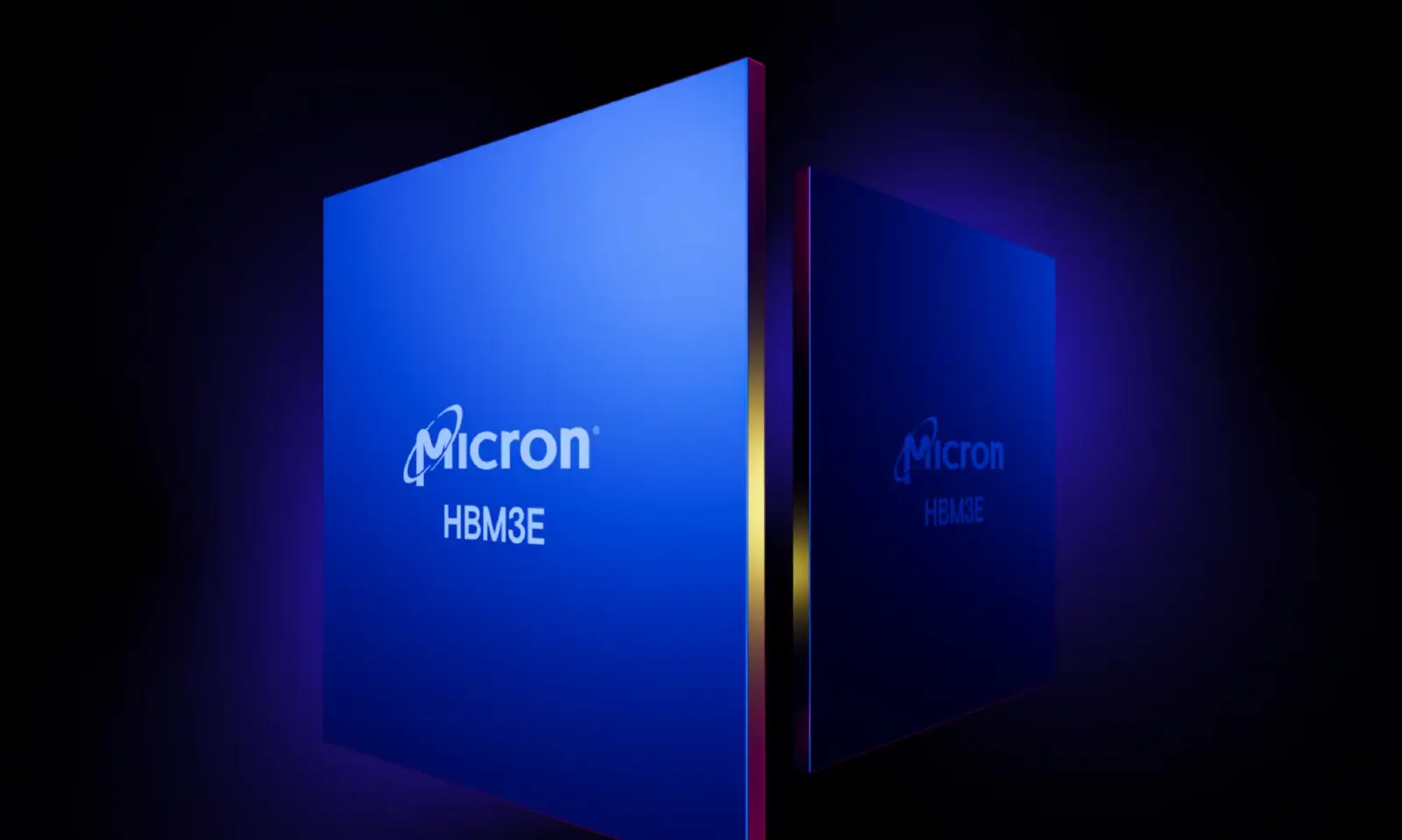
DRAM supply remains extremely tight despite the new agreements. Shortages are expected to persist through 2028 and potentially beyond 2030. NAND memory faces similar constraints, though the gap is less severe than in DRAM. New manufacturing facilities will not significantly increase available capacity until after 2028.
The five-year take-or-pay structure means customers cannot cancel these contracts even if demand drops or prices fall. Micron uses this model to fund future production while guaranteeing revenue regardless of market fluctuations. Memory buyers should expect sustained high costs and limited availability for the next several years.

Discussion
0 comments
Log in to join the thread with a thoughtful take, question, or correction.