
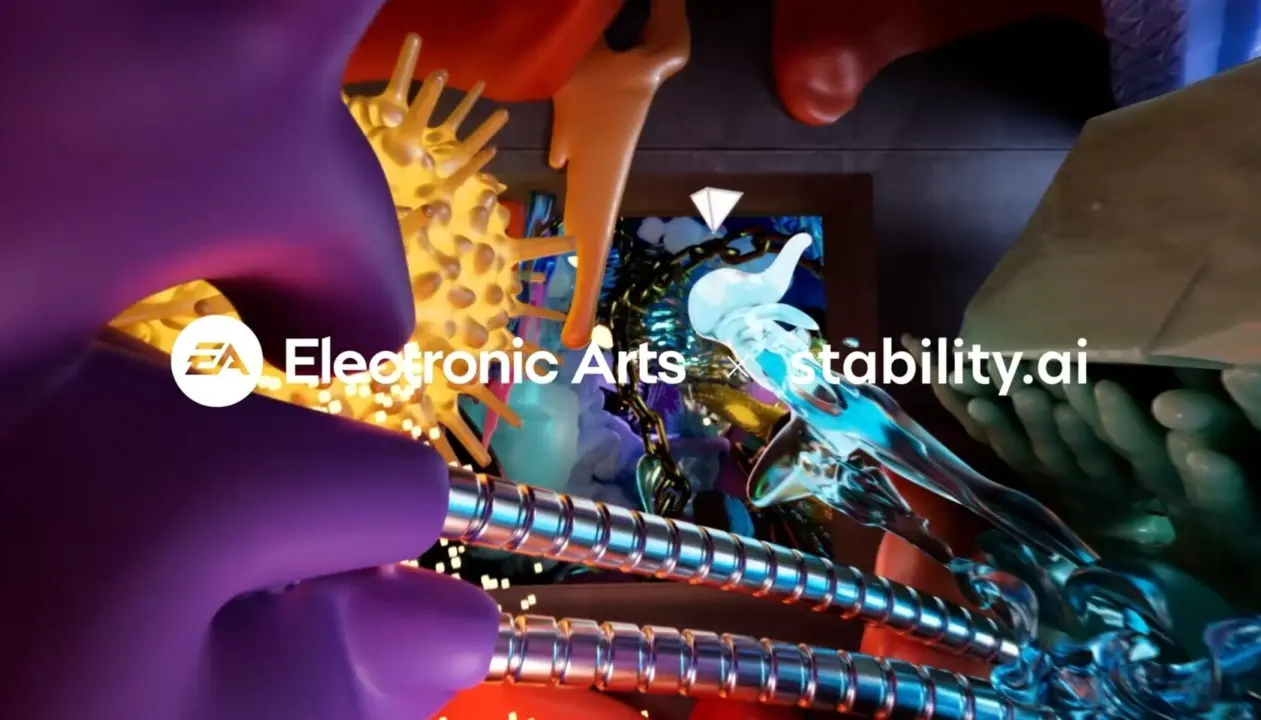
Electronic Arts is moving forward with its integration of generative AI tools in game development, a strategy that prioritizes internal workflow efficiency over current industry sentiment. This approach contrasts sharply with recent reports from developers who claim these same technologies hinder their creative output and slow down production. The company’s leadership argues that the technology streamlines processes, even as external data suggests games featuring AI content may face market headwinds.
EA president argues AI tools streamline workflows despite industry skepticism
Laura Miele, the president of enterprise development at Electronic Arts, outlined the company's position on the technology. She stated that AI tools have removed friction from development pipelines, allowing for quicker prototyping and faster creativity. According to Miele, these tools also facilitate shorter and faster conversations among artists and developers as they come to alignment on creative direction.
The executive's positive assessment stands in opposition to insider reports and surveys indicating that many developers feel AI hampers productivity. While Miele highlights efficiency gains, the broader industry view remains skeptical about the impact on creative work. This divergence highlights a growing tension between corporate efficiency goals and the practical experiences of the workforce building the games.
Market data adds another layer to this debate, with an analysis finding that Steam games using generative AI sell up to 53% fewer units than those without. Despite this potential sales impact, Electronic Arts has reportedly mandated AI usage for over a year across coding, concept art, and managerial tasks. The company continues to push for adoption, focusing on internal speed rather than external market reception.



Discussion
0 comments
Log in to join the thread with a thoughtful take, question, or correction.