

Building a single one-gigawatt AI data center now costs roughly $47 billion, a figure that highlights the extreme capital intensity of modern artificial intelligence infrastructure. This massive financial barrier means that only the largest technology firms can realistically fund the next generation of computing power. The scale of these investments dictates market consolidation, as smaller players lack the liquidity to compete in this capital-heavy sector.
Depreciation costs dwarf electricity bills as hardware lifespans shorten
Foxconn Chairman Liu Yangwei provided these figures during a recent industry meeting, outlining the economic reality of deploying large-scale compute clusters. His analysis focuses on the specific costs associated with a 1GW facility, which serves as a standard benchmark for evaluating the viability of such projects. The data suggests that the hardware requirements alone create a significant moat for established industry leaders.
The financial breakdown reveals that annual electricity expenses for a 1GW center amount to approximately $1.3 billion, or about 9 billion yuan. However, the depreciation of the equipment costs six times that amount, totaling roughly $7.8 billion per year. This disparity indicates that the physical hardware has a short economic lifespan, likely around five to six years, before it becomes obsolete.
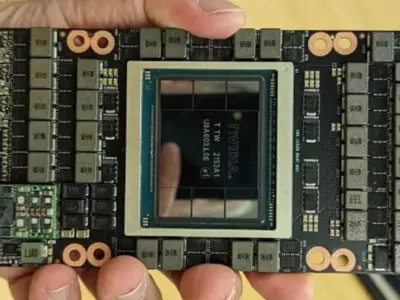
Hardware costs dominate the budget, with top-tier Vera Rubin racks priced at $9.1 million each. A single 1GW facility requires approximately 3,557 of these AI racks to reach its target capacity. The sheer volume of high-end hardware needed drives the total investment figure, making operational efficiency and rapid asset turnover critical for profitability.
Global demand for this infrastructure is projected to surge, with the total compute load expected to rise from 68 GW in 2024 to 174 GW by 2030. This growth trajectory supports Liu Yangwei’s projection that global AI infrastructure investment will reach $1.6 trillion over the same period. The rapid expansion of compute capacity will require continuous capital injection to meet the escalating power and hardware demands of the industry.
Discussion
0 comments
Log in to join the thread with a thoughtful take, question, or correction.