
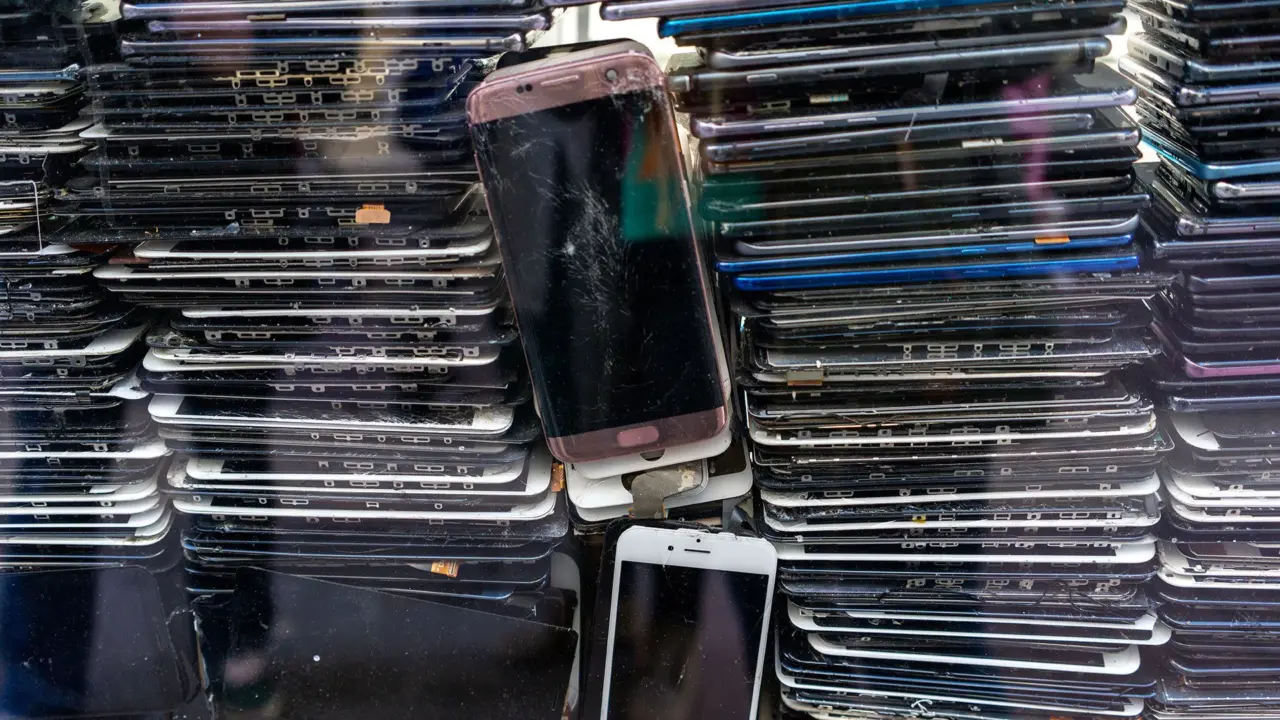
Researchers at the University of California San Diego and Google Research have found a new use for old Pixel smartphones: turning them into low-cost computing clusters. The team discovered that smartphones from just three years ago deliver higher single-core performance than some servers, such as the Asus RS720A-E11. This approach could make computing power more accessible for educational settings.
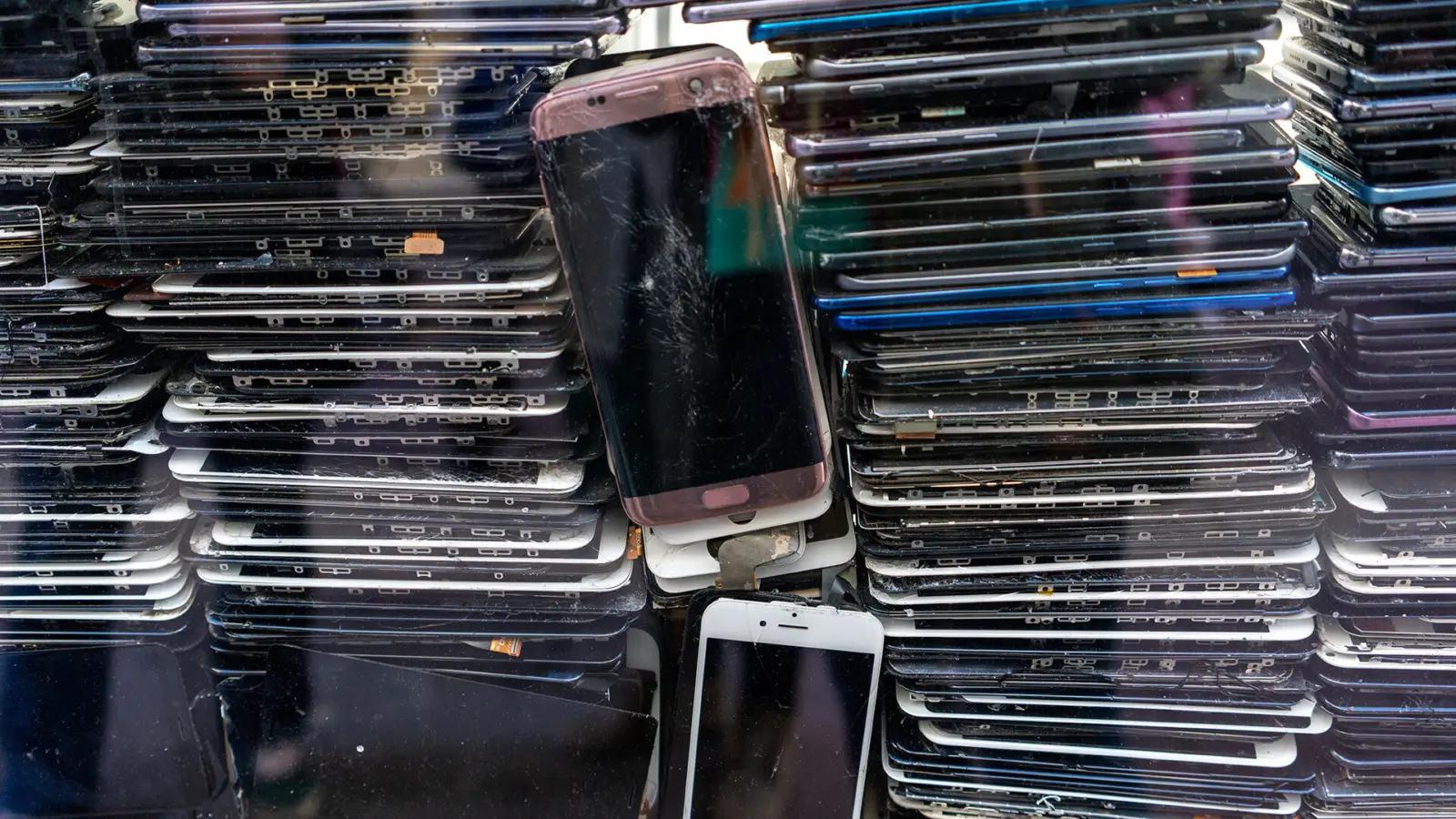
Old phones outperform servers in tests
The project repurposes old Pixel phones into a computing platform. A cluster of 20 phones can support applications needed for a class of 75 or more students. The researchers plan to scale this up to a local data center built from 2,000 phones, which could serve 100 classes.
In performance tests, the old phones outperformed certain servers in single-core benchmarks. The researchers found that 25 to 50 old phones equal the computing power of a single dual-socket server-class CPU. This makes the phone clusters a cost-effective alternative for workloads that benefit from many independent tasks.
The full system is expected to launch later this year. The project demonstrates a practical way to extend the life of old smartphones while providing computing resources for education. It also highlights the growing performance of mobile processors relative to traditional server hardware.
Discussion
0 comments
Log in to join the thread with a thoughtful take, question, or correction.