
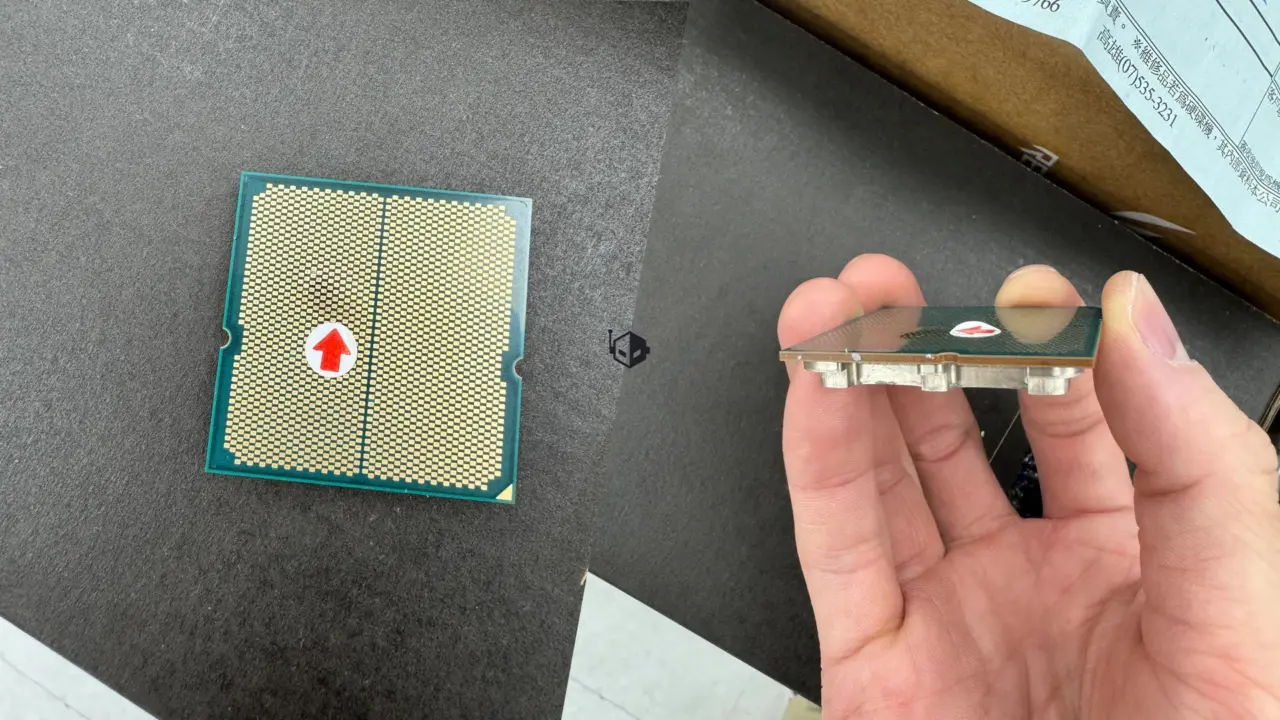
A user reported a dead AMD Ryzen 9 7950X3D processor to the manufacturer, triggering a warranty dispute that highlights potential quality control issues. The incident centers on substrate swelling inside the CPU package, which AMD cited as physical damage warranting an RMA denial.
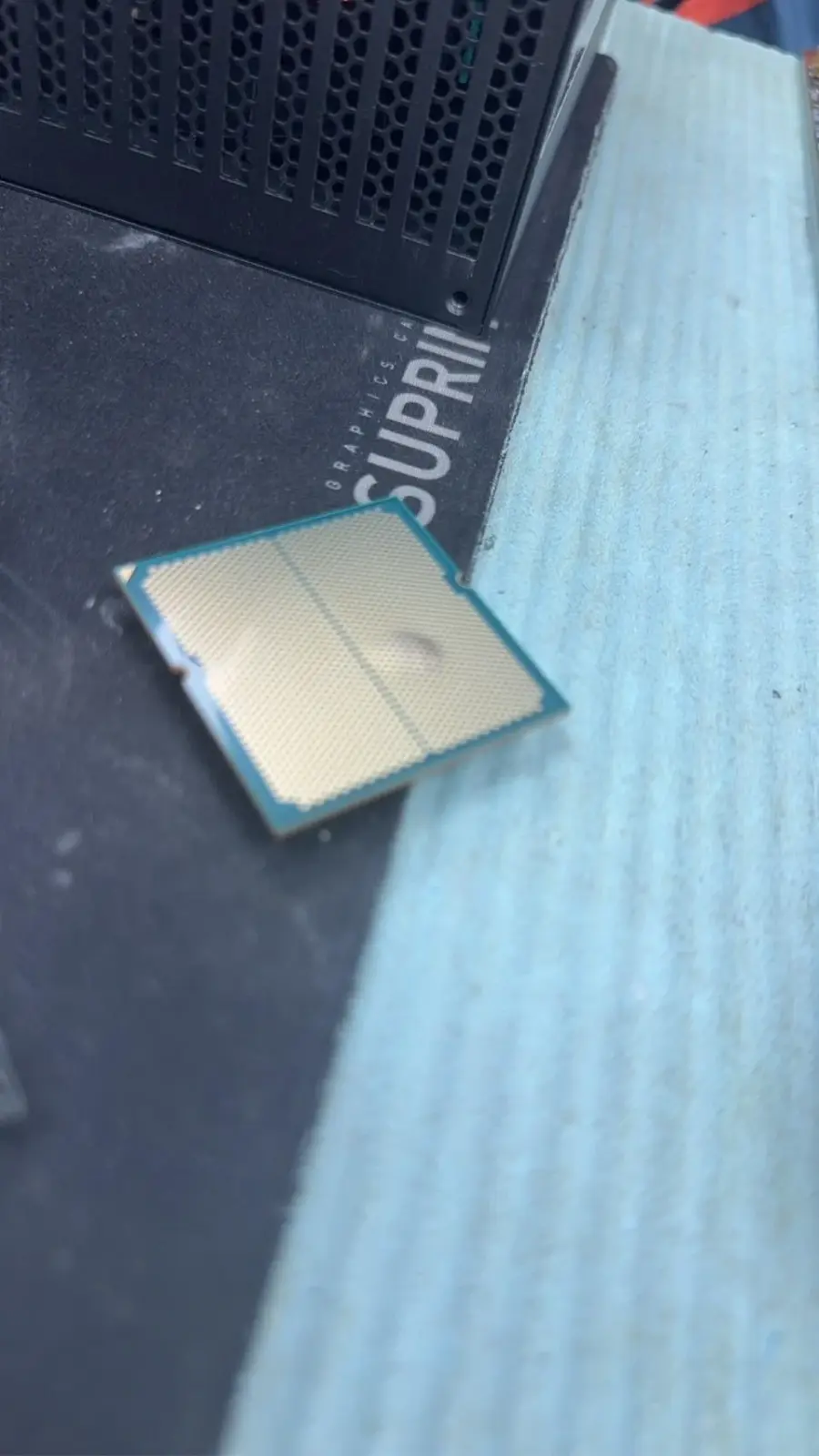
AMD cites substrate swelling as physical damage to reject RMA despite GIGABYTE clearing the motherboard of faults.
The affected hardware includes the AMD Ryzen 9 7950X3D desktop processor and a motherboard manufactured by GIGABYTE. The user submitted a return merchandise authorization request after the system failed to boot or recognize the chip during normal operation.
AMD rejected the warranty claim based on internal damage visible upon inspection. The manufacturer identified substrate swelling within the CPU package as evidence of physical trauma, which falls outside standard warranty coverage terms.
GIGABYTE conducted its own diagnostics and cleared the motherboard of any manufacturing defects. The board inspector noted only a slight dent in the CPU socket pins, which required no repair and did not impact functionality or signal integrity.
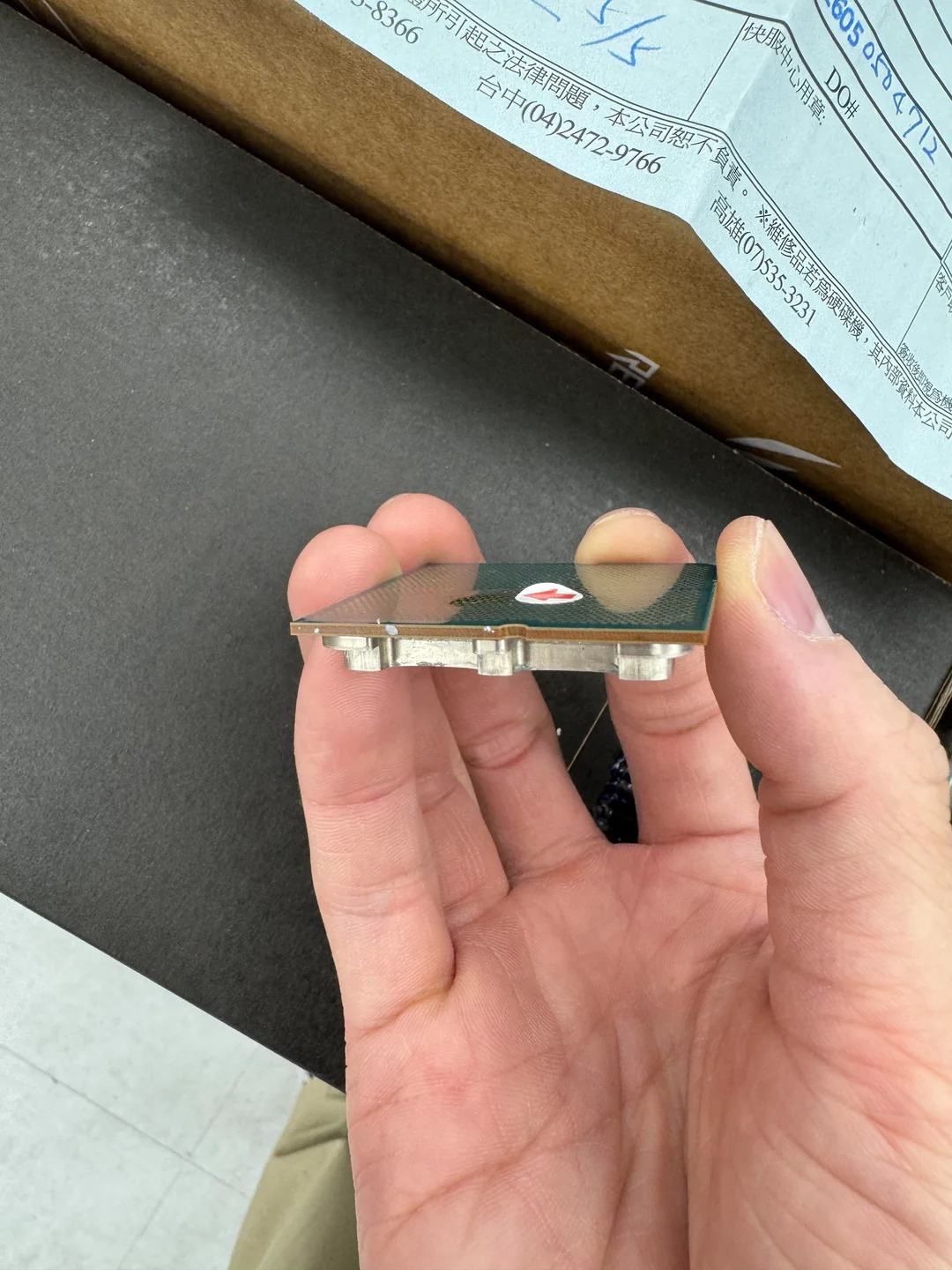
The user stated they performed no manual overclocking adjustments or BIOS parameter modifications before the failure occurred. This claim removes typical user-induced stress factors from the equation, suggesting the hardware may have failed under standard operating conditions.
AMD maintained its position despite GIGABYTE's clean bill of health for the motherboard. The manufacturer attributed the CPU failure to physical damage rather than a latent manufacturing defect or normal wear and tear.
This case involves two major PC component brands interacting over a high-end desktop processor warranty claim. This case highlights growing concerns about product durability and warranty enforcement among high-end PC components.

Discussion
0 comments
Log in to join the thread with a thoughtful take, question, or correction.