
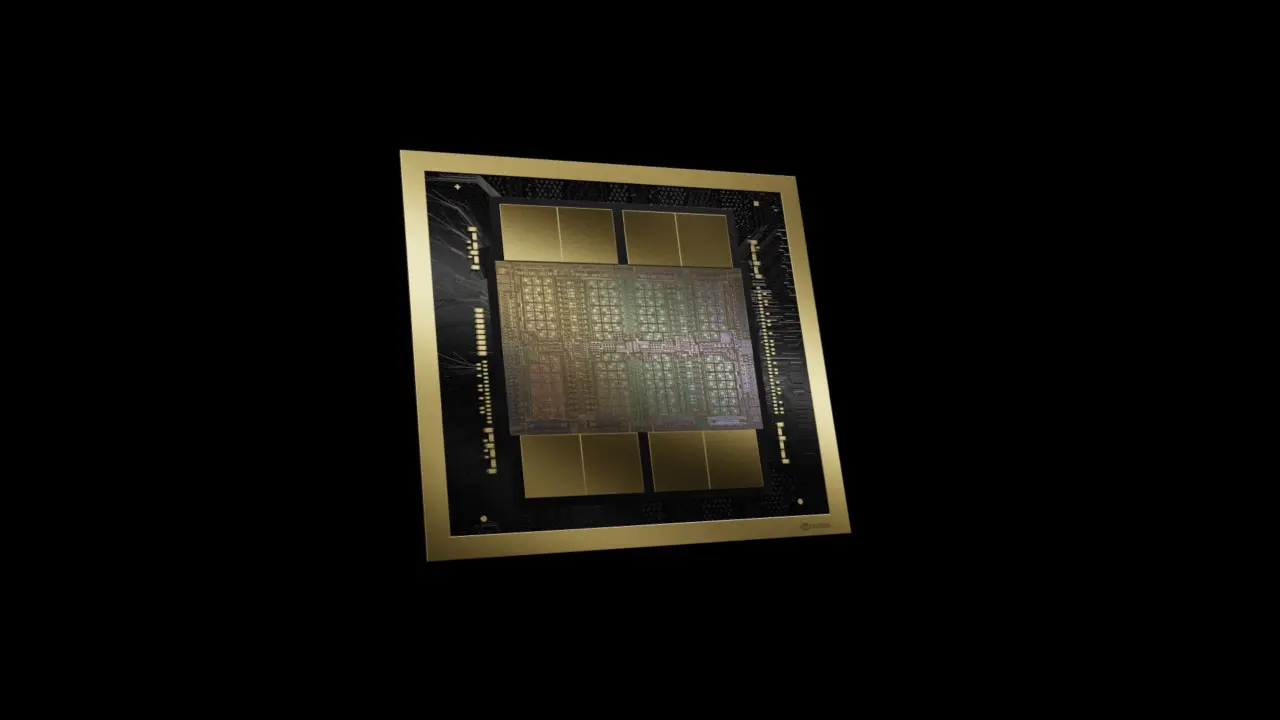
Nvidia AI chips are central to a new report detailing how Chinese military institutions linked to the People's Liberation Army actively sought Nvidia hardware from 2019 through 2025. This activity persisted despite U.S. export controls implemented by the White House in 2022. The report highlights that purchasing these chips within China remained legal at the time, but smuggling networks later routed them through countries like Singapore, Malaysia, Thailand, Taiwan, and Japan to bypass restrictions.
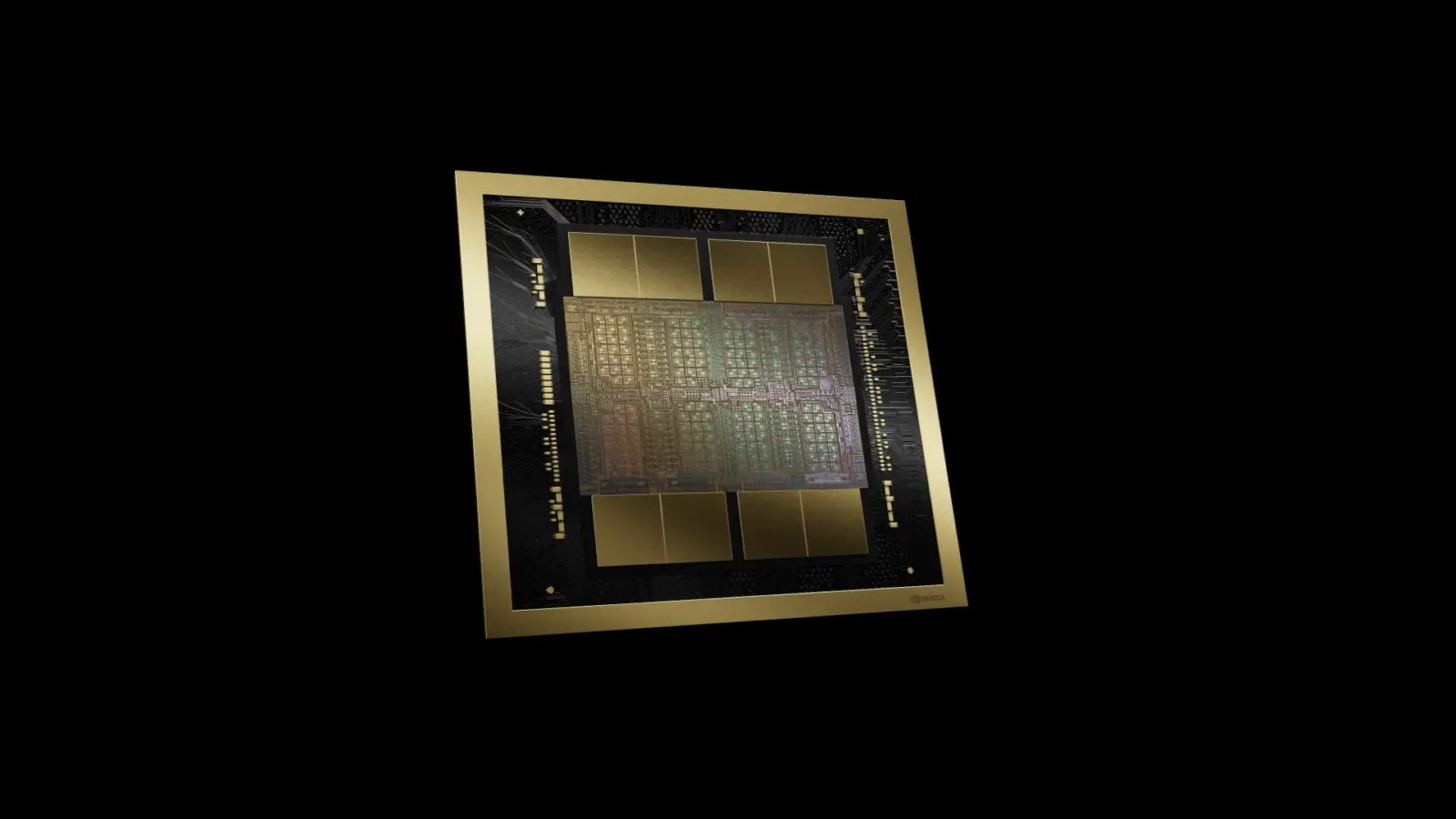
Report details PLA institutions acquiring hardware through smuggling networks
The procurement records document around 500 instances of Chinese military units attempting to acquire Nvidia hardware. These attempts involved advanced models including A100, A800, H100, H800, and H200 chips. The report also notes that the RTX 5090D V2 is part of the current product landscape, though specific procurement instances for this model are not detailed in the provided data.
Nvidia CEO Jensen Huang opposes export controls, arguing they force Chinese innovation and backfire on U.S. competitive advantage. He stated that the Chinese military would avoid U.S. tech if alternatives exist. This viewpoint highlights the conflict between commercial opportunities and national security concerns within the technology industry.
A key point of uncertainty involves Nvidia's procurement amounts relative to the scale needed for advanced AI systems. A spokesperson, John Rizzo, noted that advanced AI systems usually require at least a hundred thousand chips. The reported procurement documents show only a fraction of actual usage, suggesting the full extent of deployment may be significantly higher than what is currently documented.
The report draws on information from Wirescreen and The New York Times. This indicates that the company's artificial intelligence processors are essential assets across both business operations and defense applications. These results emphasize the persistent difficulties in regulating international trade restrictions and the flexibility of supply chains used to bypass them.
Discussion
0 comments
Log in to join the thread with a thoughtful take, question, or correction.