
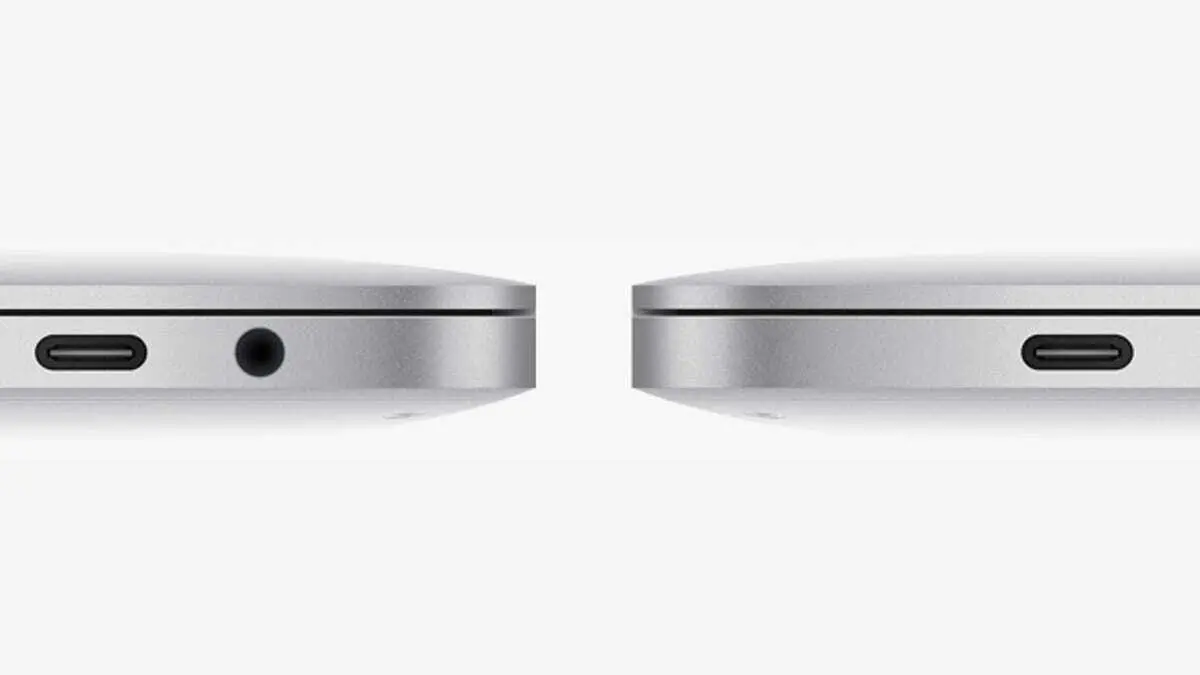
The European Commission implemented a new regulation for laptops on April 28, 2024. The rule mandates that all laptops must use USB-C ports for charging. This standard applies to devices with power limits up to 100 watts. Manufacturers must include a standard USB-C connector as the default charging interface for these models. The regulation aims to unify charging standards across the industry.
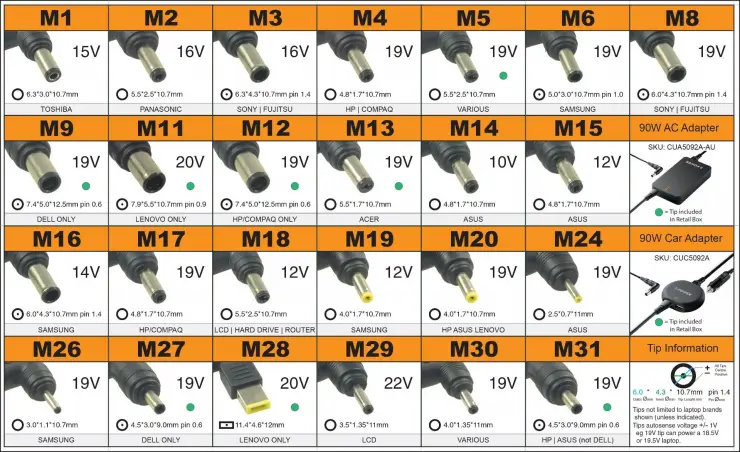
The policy creates specific allowances for high-performance devices. Gaming laptops that require more than 100 watts of power can use alternative charging methods. Standard USB-C power delivery technology supports up to 240 watts. This exception allows gaming laptops to draw higher power when necessary without violating the rule. The regulation distinguishes between standard laptops and gaming models based on power requirements.
Gaming laptops over 100W retain alternative charging options
The new rules apply immediately across the European Union. The implementation date coincides with the official announcement. No pricing or availability details exist for specific laptop models under this regulation. Users may need to purchase docking stations to maintain existing input/output connections. The regulation does not confirm the potential cost for such accessories.
EU Laptop Charging Regulation Summary
| Feature | Specification |
|---|---|
| Mandated Port | USB-C |
| Power Limit | Up to 100W |
| Exception Limit | 240W (Gaming) |
| Effective Date | April 28, 2024 |
The regulation highlights differences in global tech policies. The United States maintains a flexible approach to hardware standards. China has implemented a standardized framework for electronic device compatibility. The European Union adopts a standardized regulatory framework. These differing regional approaches result in distinct regulatory environments for global manufacturers.
Source: techpowerup.com


Discussion
0 comments
Log in to join the thread with a thoughtful take, question, or correction.