
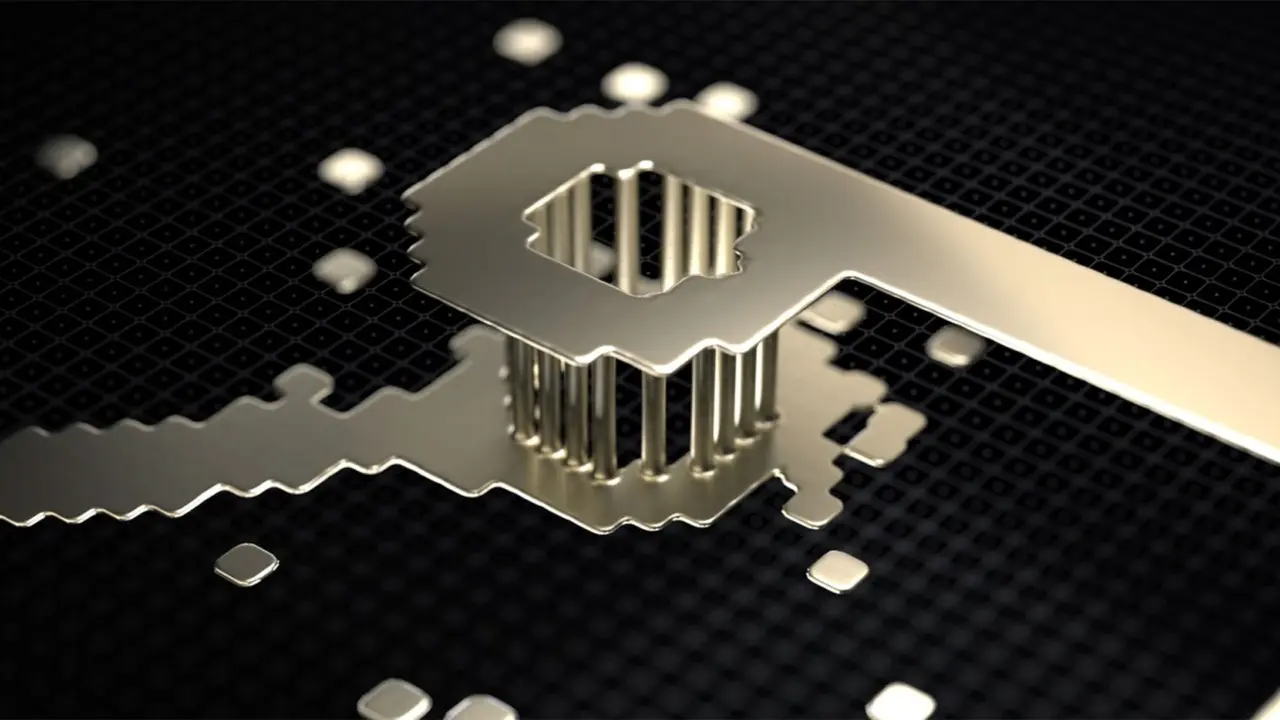
Itera has exited stealth mode with a prototype of the world's first fluid circuit board, marking a significant shift in how hardware engineers approach design and iteration. The startup uses electrowetting technology to precisely control liquid metal alloys on glass substrates using electric fields. This method allows engineers to physically rewire a circuit in less than a minute, drastically reducing the time required for hardware development cycles.
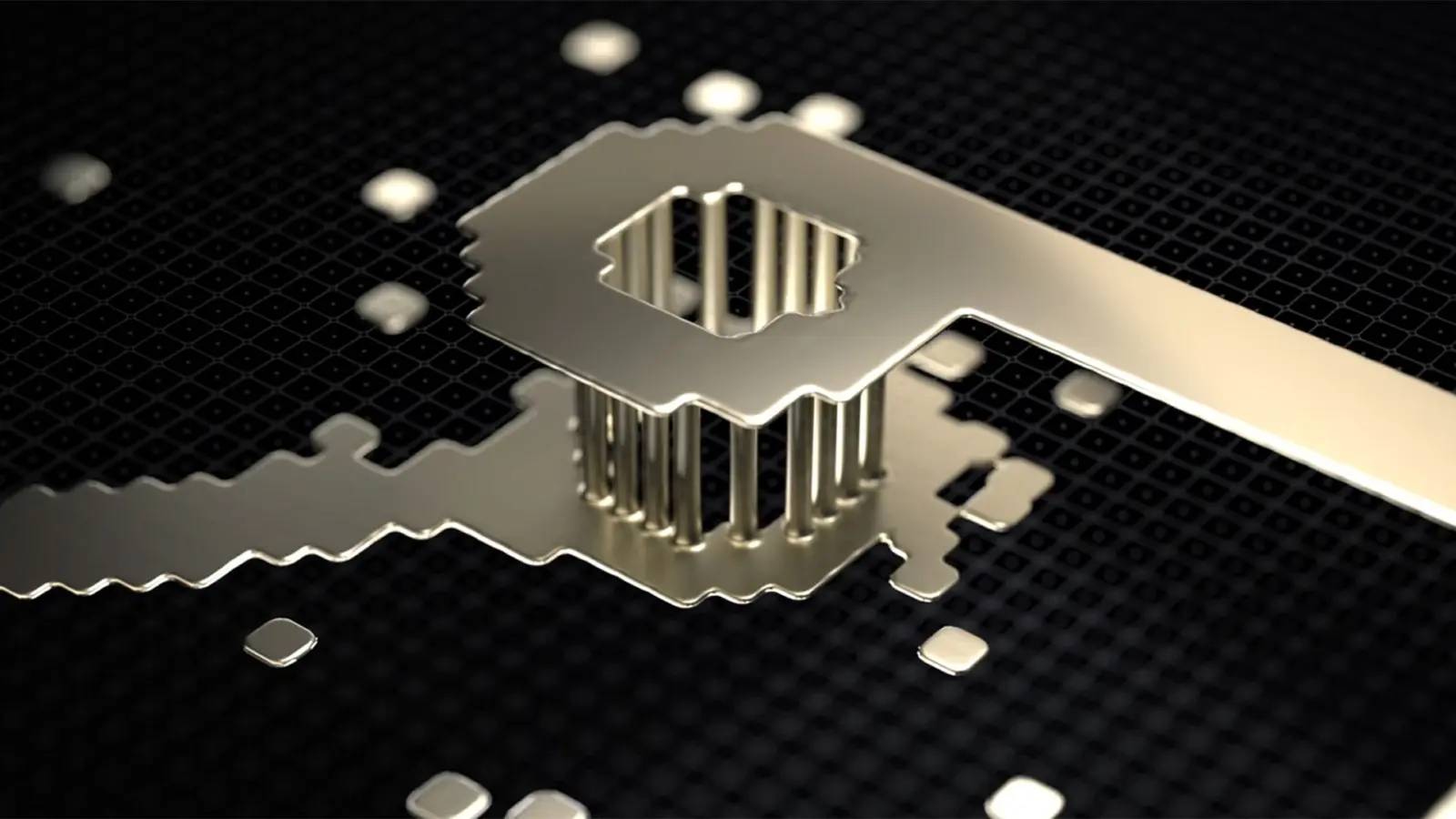
Startup uses electrowetting to control liquid metal alloys on glass substrates for instant circuit changes.
The core innovation lies in Itera's ability to make real-time design and iteration possible for hardware too. By leveraging electrowetting, the company enables engineers to change a circuit and test it again before their coffee gets cold. This capability mirrors the rapid feedback loops software developers have enjoyed for decades, but applies them to physical electronic components with real electrical behavior.
Itera claims that its technology can make hardware iteration cycles 1,000 times faster than traditional PCB prototyping methods. The startup has secured $12 million in seed funding from investors including Upfront Ventures and Costanoa Ventures. This financial backing supports the development of the fluid circuit board technology and its transition from prototype to production.
The company has already reserved a production run for its first glass and liquid metal PCBs with a top five global automotive OEM and defense neoprimes. These early commitments indicate strong interest in the technology's potential applications within critical industries. Itera also highlights interest in its tech from a leading hyperscaler and multiple chipset manufacturers, though no confirmed deployments or partnerships have been disclosed yet.
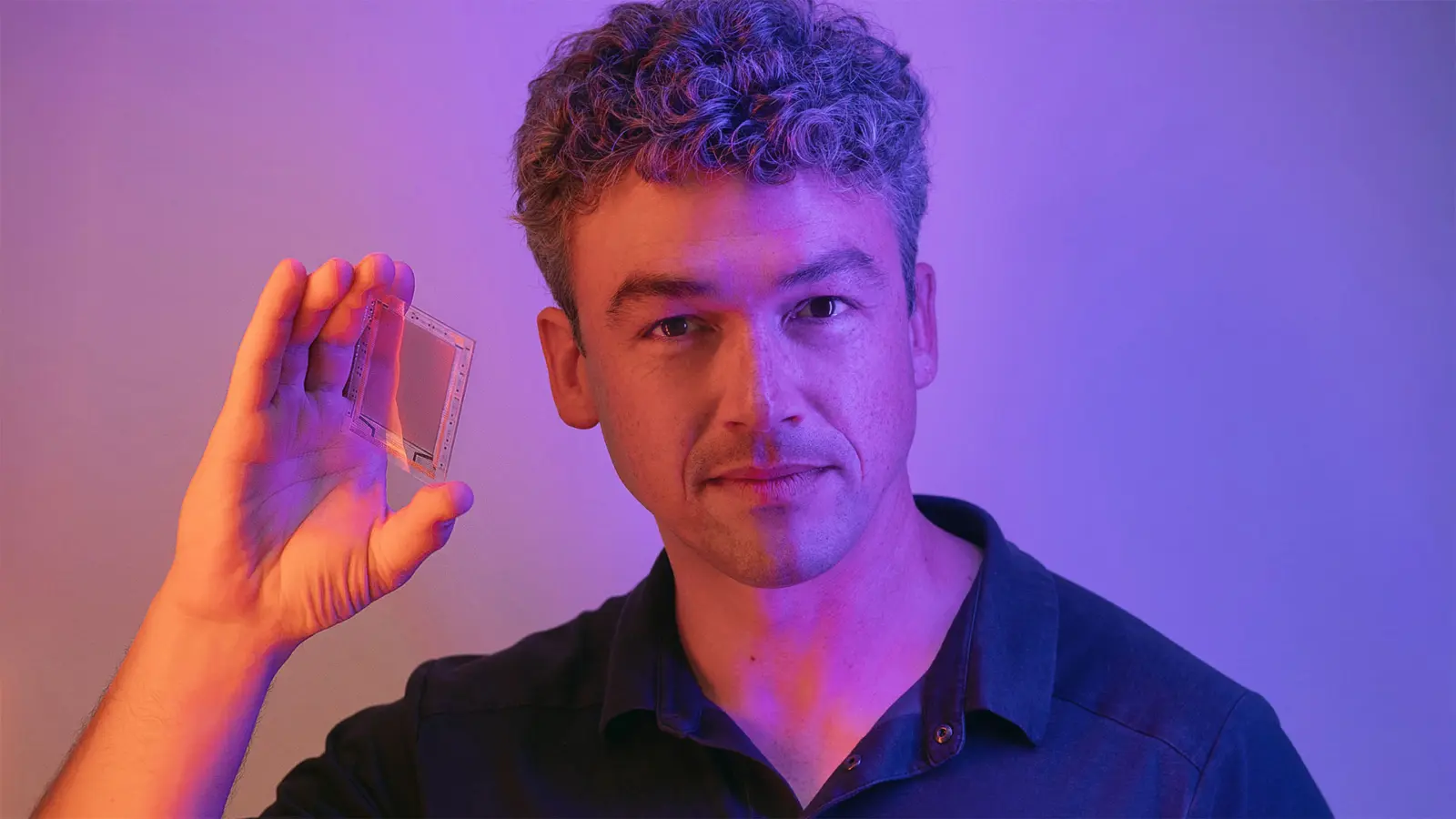
Itera positions its fluid circuit board as a solution to the traditional challenges of hardware development, which often require significant time and money for changes. The startup aims to make hardware easy by enabling rapid physical modifications without the need for lengthy manufacturing processes. This approach could fundamentally alter how engineers design and test electronic circuits in various sectors.
The company is currently focused on launching its first product and bringing it to market, with the initial production run already reserved. While no public release date has been announced yet, Itera's progress suggests a move toward commercial availability in the near future. The startup's ability to attract major industry interest underscores the potential impact of its fluid circuit board technology.
Discussion
0 comments
Log in to join the thread with a thoughtful take, question, or correction.