
The latency issues from the software bridge in Linux are hurting the performance of AMD's FidelityFX Super Resolution 4 (FSR 4) significantly in some cases to the point it nullifies the effectiveness of the upscaling feature and in some cases is resulting in lower frame rates. Here we'll look at a code change that solves this problem and allowing gamers on Linux to really benefit from the feature.
Developer shader tweaks eliminate 9ms latency bottleneck on RDNA 3 hardware
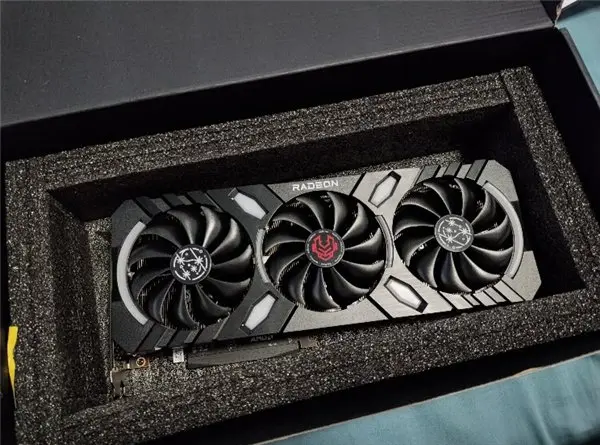
The FidelityFX Super Resolution 4 (FSR 4) from AMD is upscaling via their RDNA 3 architecture hardware and their upscaling algorithm. For purposes of our look here we'll be seeing about the Radeon RX 7900 XT as one of the key GPUs for RDNA 3. That's what's being used as the experimental grounds for performance optimization as detailed in this report.
- Performance Improvement: 31% net performance increase
- GPU Model: Radeon RX 7900 XT
- Architecture: RDNA 3
- Rendering Time Reduction: 4K resolution final render channel time reduced from 1.55ms to 0.44ms
- WMMA Matrix Instruction Peak: 52 TFLOPS
A developer made the magic happen by changing the underlying code / shaders (INT8 shader code) for FSR 4 to get around the performance limiting factors by coalescing the writes and then instead of the expensive rounding instructions, using efficient hardware instructions. Overall, this provided for 31% improvement in performance where the 3.61ms in processing frame time is now at 2.48ms instead. The final render channel time at 4K also improves from 1.55ms down to 0.44ms.
This performance optimization is being done taking advantage of the peak 52 TFLOPS for WMMA matrix instruction and peak 55 TFLOPS for dot4 instruction of the RX 7900 XT hardware. The image quality from the optimized output on byte-by-byte also matches the image quality of the original algorithm. Ensuring users get the speed improvements but without sacrificing any image quality in the process. The optimization report has been shared to AMD's FidelityFX SDK for possible implementation in the future.
On Linux when doing native FSR 4 performance with Vulkan you can see about 9ms of additional latency coming in due to the software bridge between Vulkan and DX12. This can sometimes result in frame rates dropping from 65fps down to like 40fps due to this latency. With this code change made by the developer it eliminates this latency problem to get things back to where they should be.

Comments (0)