
Researchers in China have developed a new ultra-cold alloy capable of reaching temperatures near absolute zero, approximately -273 degrees Celsius. This material achieves such extreme cooling without requiring helium, a resource that has traditionally been essential for cryogenic applications. The breakthrough addresses a significant constraint in materials science by eliminating the dependency on helium for achieving near-absolute-zero states.
The breakthrough addresses a significant constraint in materials science by eliminating the dependency on helium for achieving near-absolute-zero states.
The alloy represents a distinct advancement in thermal management technology. Its ability to function without helium opens new pathways for industrial and scientific cooling systems. The material is designed to operate in environments where traditional helium-based cooling is impractical or prohibitively expensive.
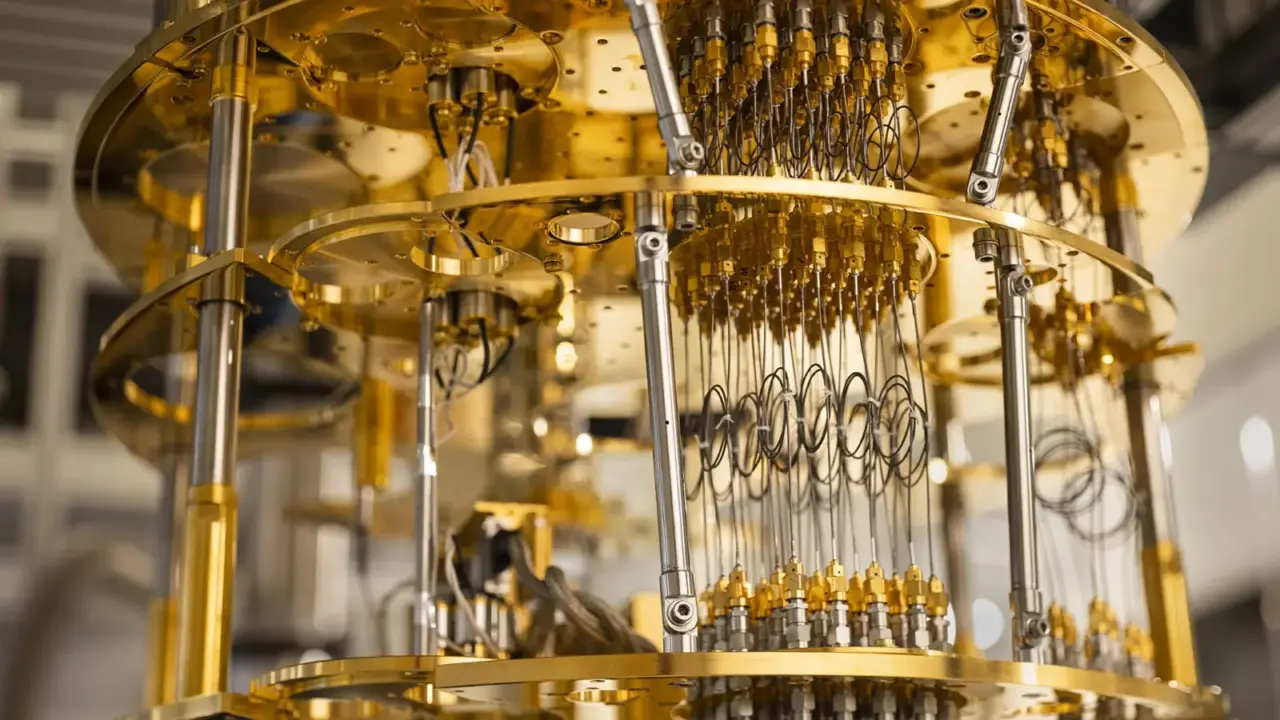
Potential applications for this technology include compact cooling solutions for superconducting quantum chips. The development also holds promise for military equipment that requires precise thermal control. These use cases suggest the alloy could support high-performance computing and defense technologies that rely on stable, ultra-low temperature environments.
The innovation aligns with broader efforts to enhance the efficiency and scalability of quantum computing infrastructure. Superconducting chips require consistent cooling to maintain their operational integrity. By providing a helium-free alternative, this alloy could reduce the logistical complexity of maintaining quantum systems.
The announcement highlights ongoing progress in materials engineering within the hardware sector. The focus on helium-independent cooling addresses supply chain vulnerabilities associated with rare cryogenic gases. This development may influence future designs for quantum processors and specialized military hardware.



Discussion
0 comments
Log in to join the thread with a thoughtful take, question, or correction.