
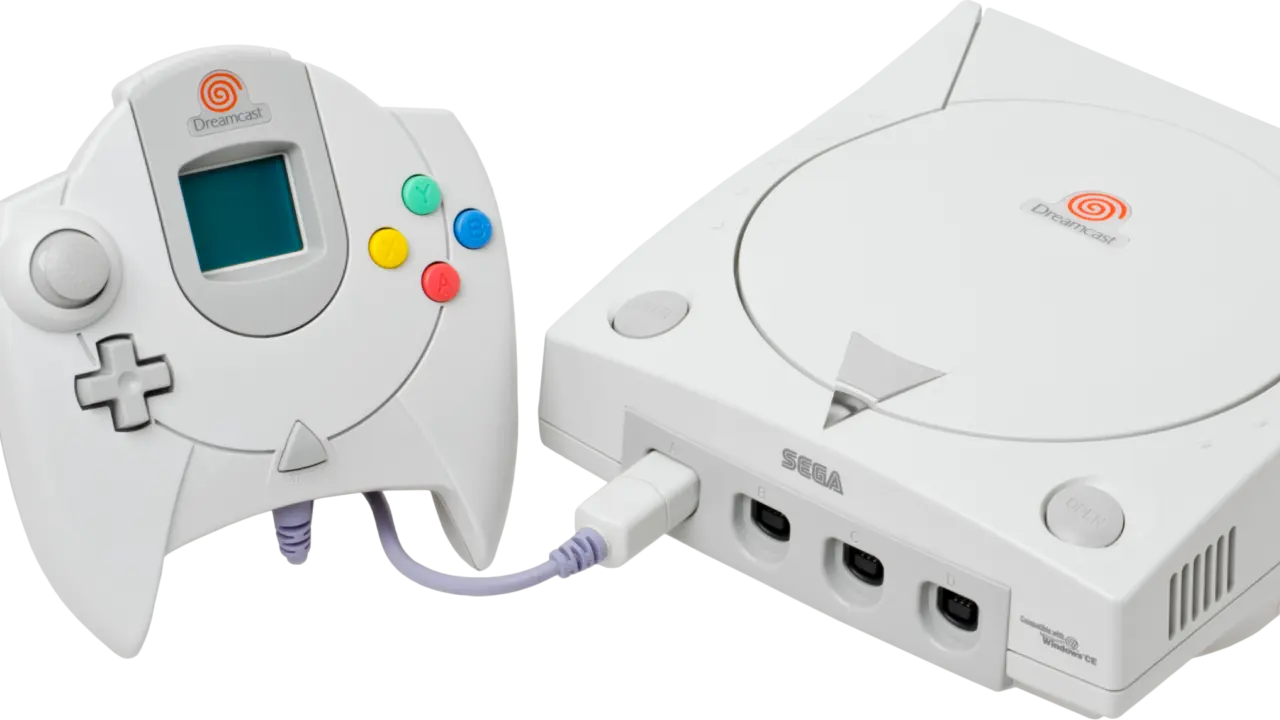
Linux 7.2-rc3 brings unexpected support for a classic gaming console, proving that legacy hardware still has a place in modern open-source development. This update matters to retro gaming enthusiasts and Linux developers who maintain older peripherals, as it extends the life of the Sega Dreamcast through official kernel patches. The inclusion signals that the kernel maintainers are prioritizing functional legacy devices over the removal of older, unused architectures.
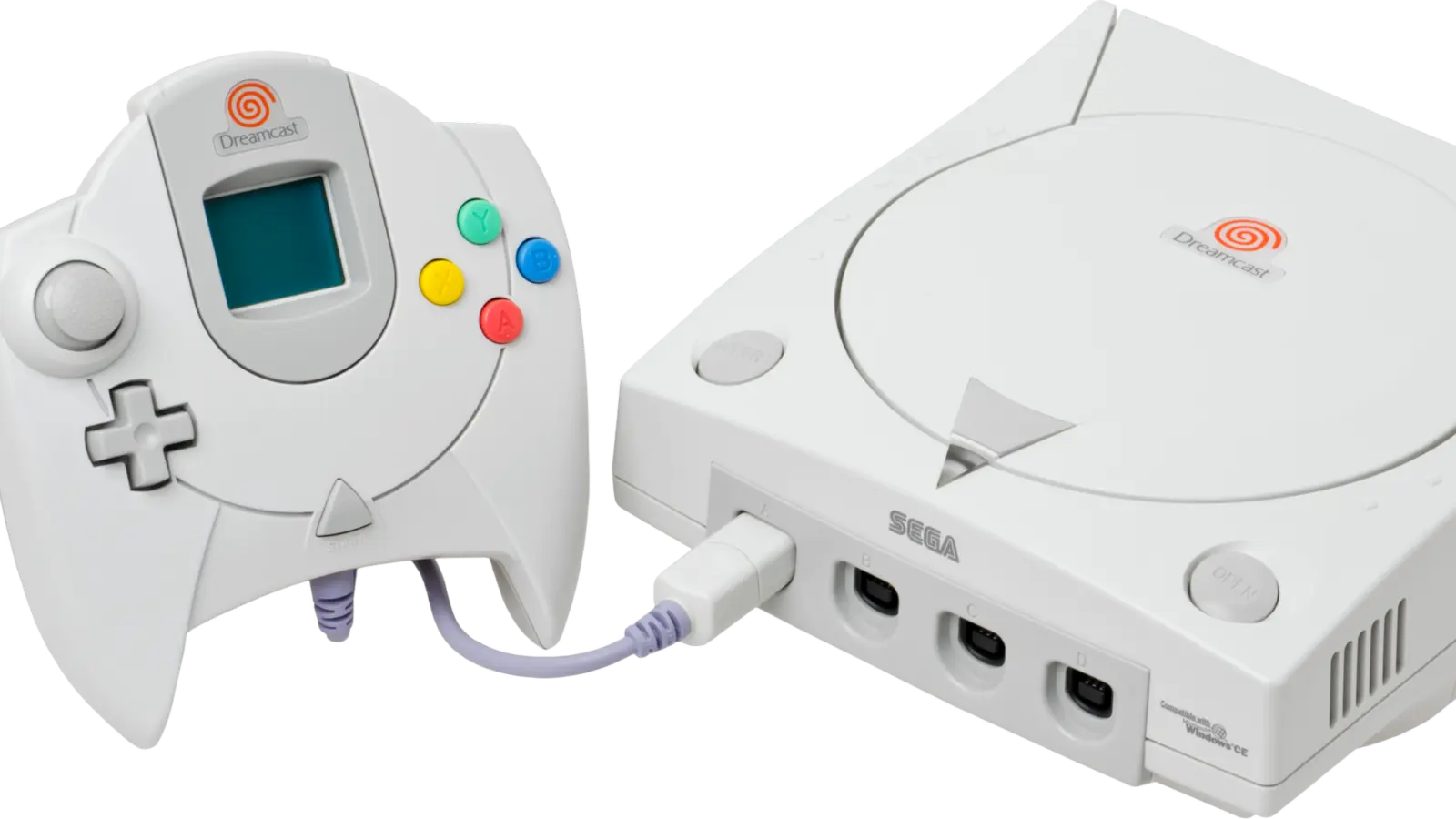
Kernel patches resolve long-standing input bugs for the classic console
The Sega Dreamcast, originally released by Sega in the late 1990s, relies on a specific input subsystem known as the Maple bus. This bus connects controllers, mice, keyboards, and other peripherals to the console. The recent changes target the drivers that manage these inputs within the Linux operating system, ensuring that these vintage devices communicate correctly with modern kernels.
Dmitry Torokhov submitted a set of fixes for the Maple-bus input subsystem in the 7.2-rc3 release. One critical patch resolves a crash in the maplemouse driver that occurred when users opened the device file. This specific bug has existed in the codebase since 2017, affecting mouse functionality for over six years. Another set of changes fixes race conditions by properly ordering driver data setting and device registration steps.
These updates highlight a shift in kernel maintenance priorities. While older computing architectures like the i486 and Itanium are being removed from the Linux kernel, support for the Dreamcast continues. This contrast suggests that maintainers value active, functional legacy hardware more than obsolete CPU architectures. The changes ensure that Dreamcast peripherals remain usable for users running development versions of Linux.
Tom's Hardware reported that these updates surprised even Linux-focused site Phoronix. The news confirms that the Sega Dreamcast remains in favor among kernel developers despite its age. The patches are now merged into the mainline kernel, making them available for testing in the 7.2-rc3 release cycle. These updates help maintain the console's relevance for emulation and retro computing projects.

Discussion
0 comments
Log in to join the thread with a thoughtful take, question, or correction.