
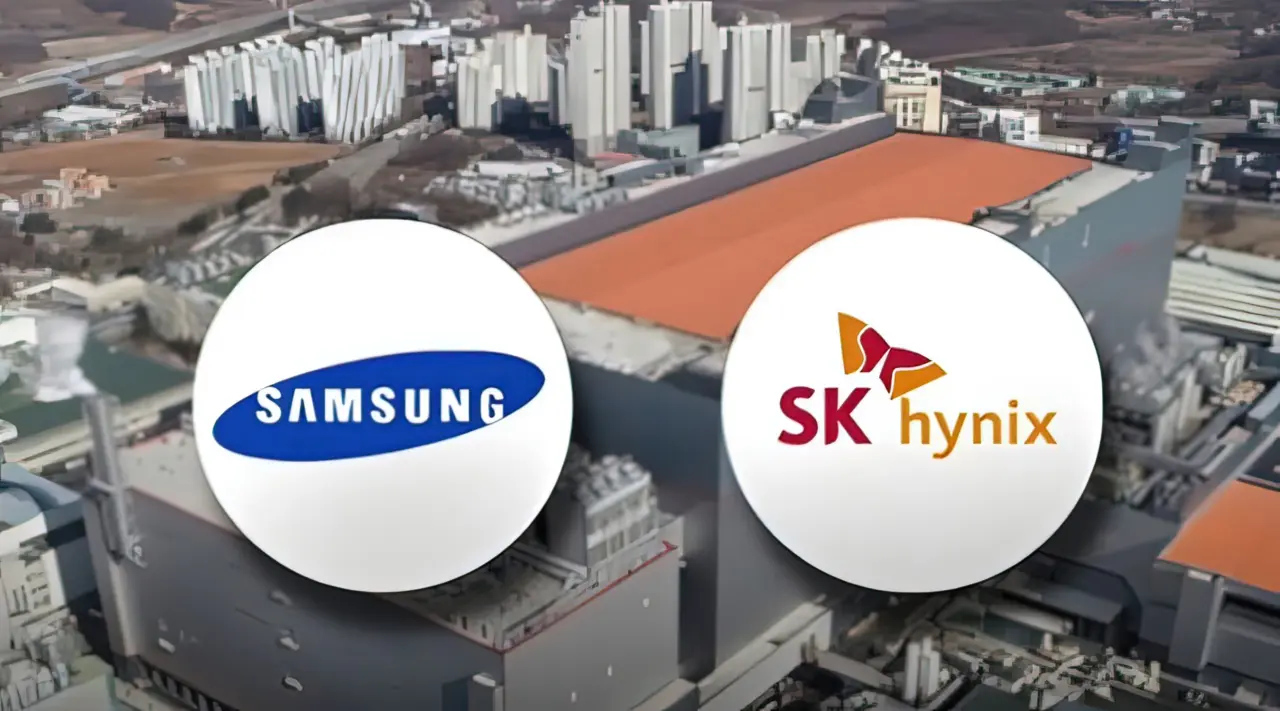
Why this $870 billion bet means your next RAM upgrade might be cheaper (or more expensive) sooner than you think. Samsung and SK Hynix have announced a historic expansion plan for South Korean semiconductor manufacturing that fundamentally alters the supply landscape. The announcement accelerates fab completion timelines from 2040 to 2033, signaling an immediate shift in industry strategy and supply capacity that affects current market forecasts. This massive capital injection aims to double DRAM production within five years to meet surging demand from AI workloads.
Massive capital injection aims to double DRAM production capacity within five years
The tension between massive industrial ambition and the everyday consumer's wallet lies at the heart of this expansion. Both companies plan to build four to five state-of-the-art chip fabrication facilities in the Chungcheong regions. SK Hynix specifically directs 400 trillion won toward a new production facility in Cheongju and another 100 trillion won for the Southwest Region. These new plants will produce the memory chips that populate your desktop, laptop, and gaming console.
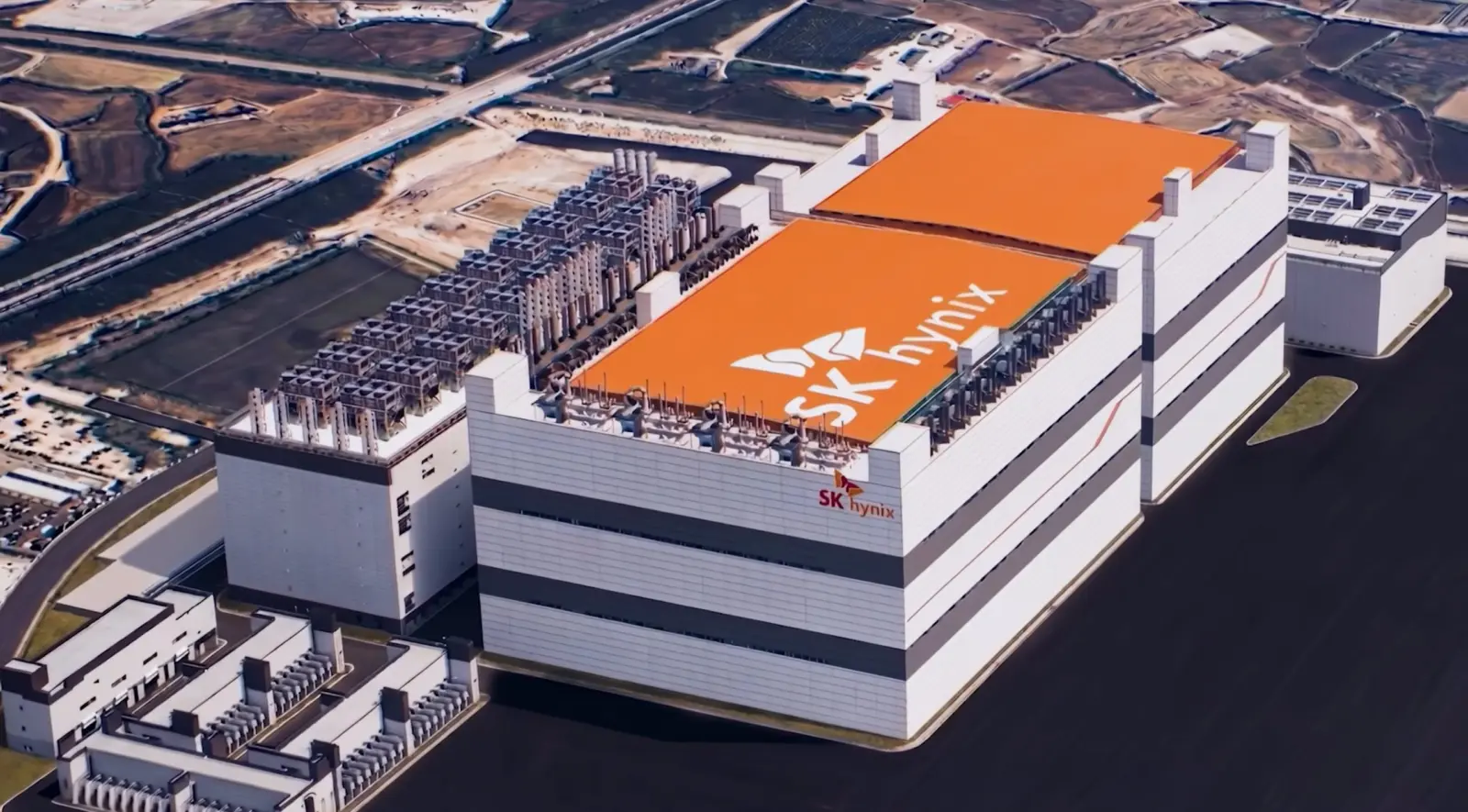
Samsung Electronics and SK Hynix have pledged a combined 1,350 trillion won, approximately $870 billion, toward this ten-year expansion. The investment covers new semiconductor fabs, AI data centers, and battery and display plants. The accelerated timeline targets a 2033 completion window for the new facilities. This schedule compresses a decade of industrial development into a much shorter period than previously projected.
DRAM production capacity is explicitly targeted to double within the next five years. NAND capacity also expands as part of this broader infrastructure push. The new fabrication plants utilize state-of-the-art technology to ensure high yields and efficiency. This surge in supply capacity directly influences the availability and pricing of memory modules for consumers.
The scale of this investment reflects the intense competition to secure supply chains for next-generation computing. Samsung and SK Hynix aim to solidify their position against rivals like TSMC and Intel. The accelerated 2033 timeline suggests that the market will see increased memory availability faster than earlier forecasts indicated. This shift will determine the cost of building or upgrading personal computers for the coming decade.
Discussion
0 comments
Log in to join the thread with a thoughtful take, question, or correction.