
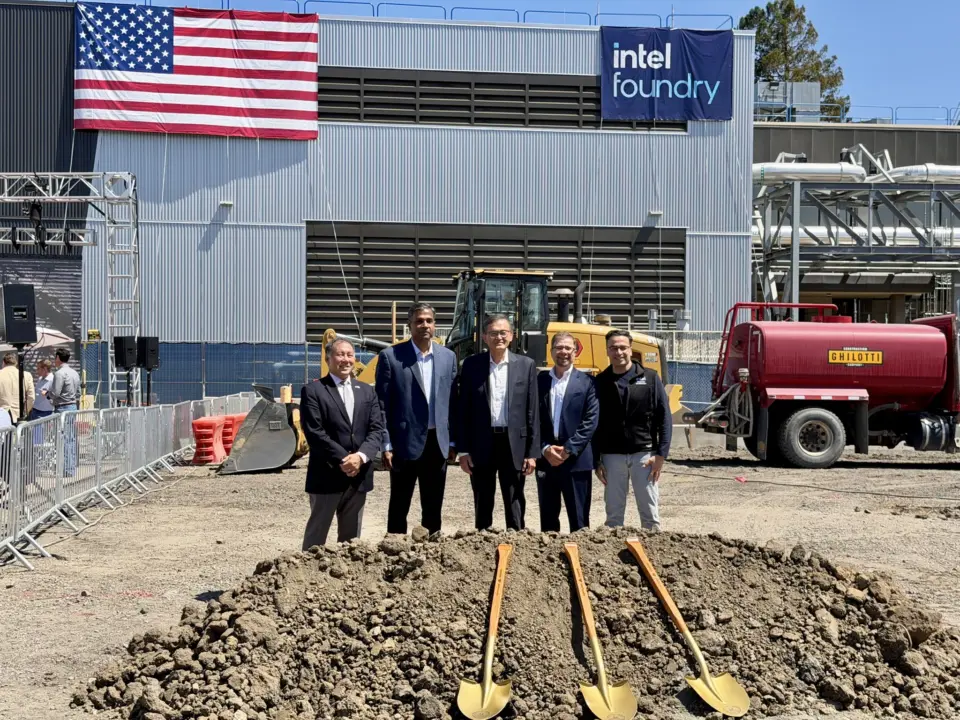
Intel is expanding its physical footprint in Santa Clara to strengthen its position as a leading semiconductor manufacturer. The company broke ground on a new facility addition at its Bowers Campus, signaling a major shift toward domestic production. This development matters to the industry because it reinforces the US-based supply chain critical for advanced chip fabrication. Buyers of enterprise hardware and partners in the foundry business will see increased local manufacturing capacity.
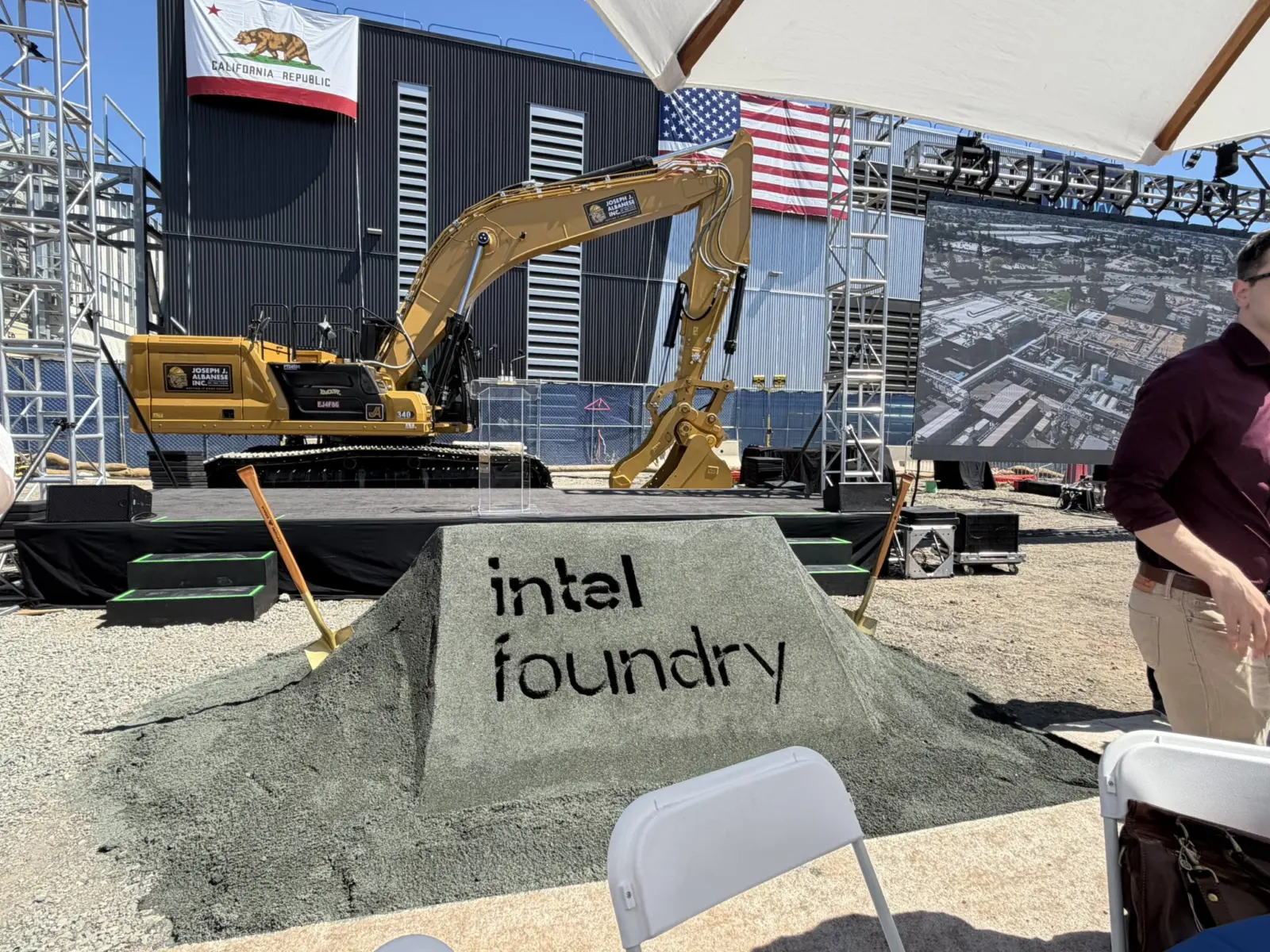
New 107,000 square foot facility will produce EUV lithography masks
The new infrastructure supports Intel Foundry's strategic focus on advanced process nodes. Specifically, the expansion is designed to enable the production of masks, also known as reticles, for extreme ultraviolet (EUV) lithography. These masks are essential components for patterning silicon wafers during the manufacturing of high-performance processors. The facility directly supports Intel's 18A-P and 14A process node technologies, which are central to the company's roadmap.
- Facility Size: 107,000 square feet
- Construction Type: Two three-story buildings
- Construction Start: Mid-2026
- Primary Purpose: Production of masks (reticles) for EUV lithography
The construction project involves two new three-story buildings covering a total of 107,000 square feet. Work on the site is expected to begin in mid-2026, according to current planning documents. The facilities will be dedicated to manufacturing and fabrication tasks related to the lithography process. This scale of investment highlights the capital intensity required to maintain leadership in semiconductor manufacturing.
This expansion reinforces Intel's commitment to maintaining a strong manufacturing presence in Silicon Valley. The project represents a significant step in the company's broader strategy to rebuild its foundry capabilities. By localizing critical production steps, Intel aims to secure its supply chain against global disruptions. The facility will serve as a key node in the production of advanced logic chips for the coming years.

Discussion
0 comments
Log in to join the thread with a thoughtful take, question, or correction.