
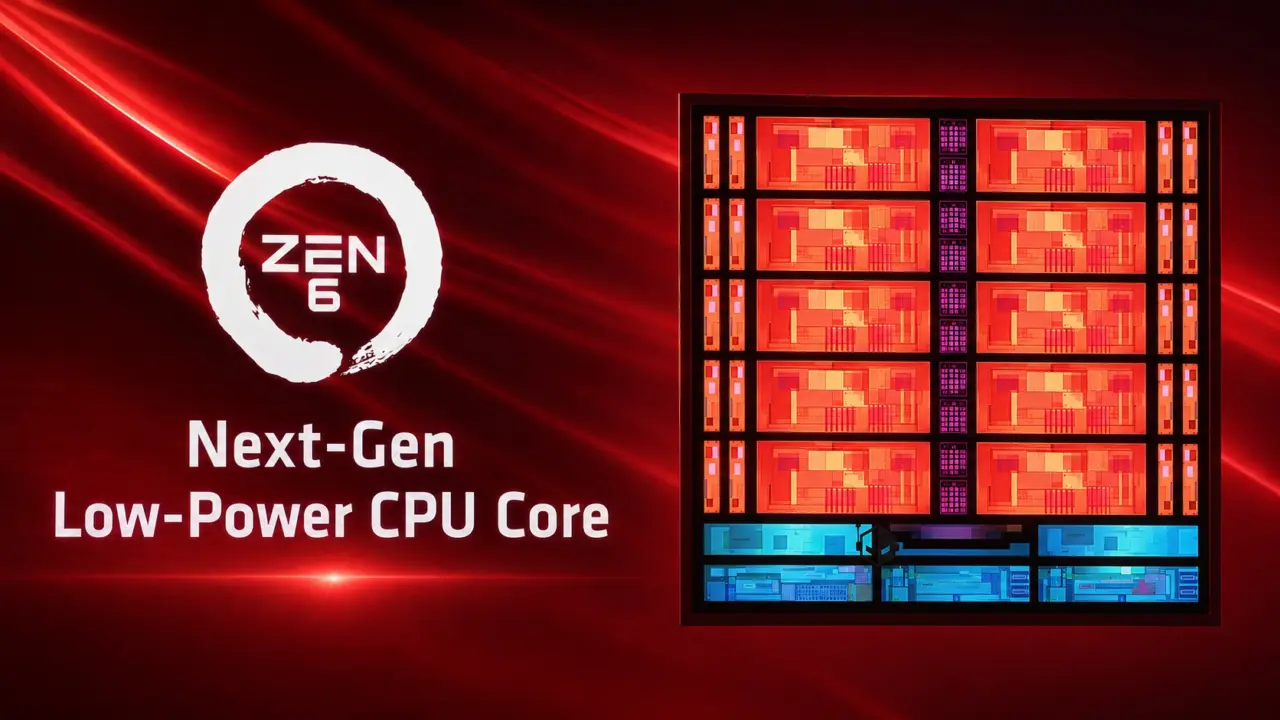
Hardware buyers planning future upgrades face a shift in how AMD structures its processor efficiency. The company is introducing a dedicated low-power core type to handle background tasks without draining battery life on mobile devices. This change matters because it separates idle workloads from active performance cores, potentially extending laptop runtime during light use. Users will see a clearer distinction between cores that drive heavy applications and those that manage system maintenance.
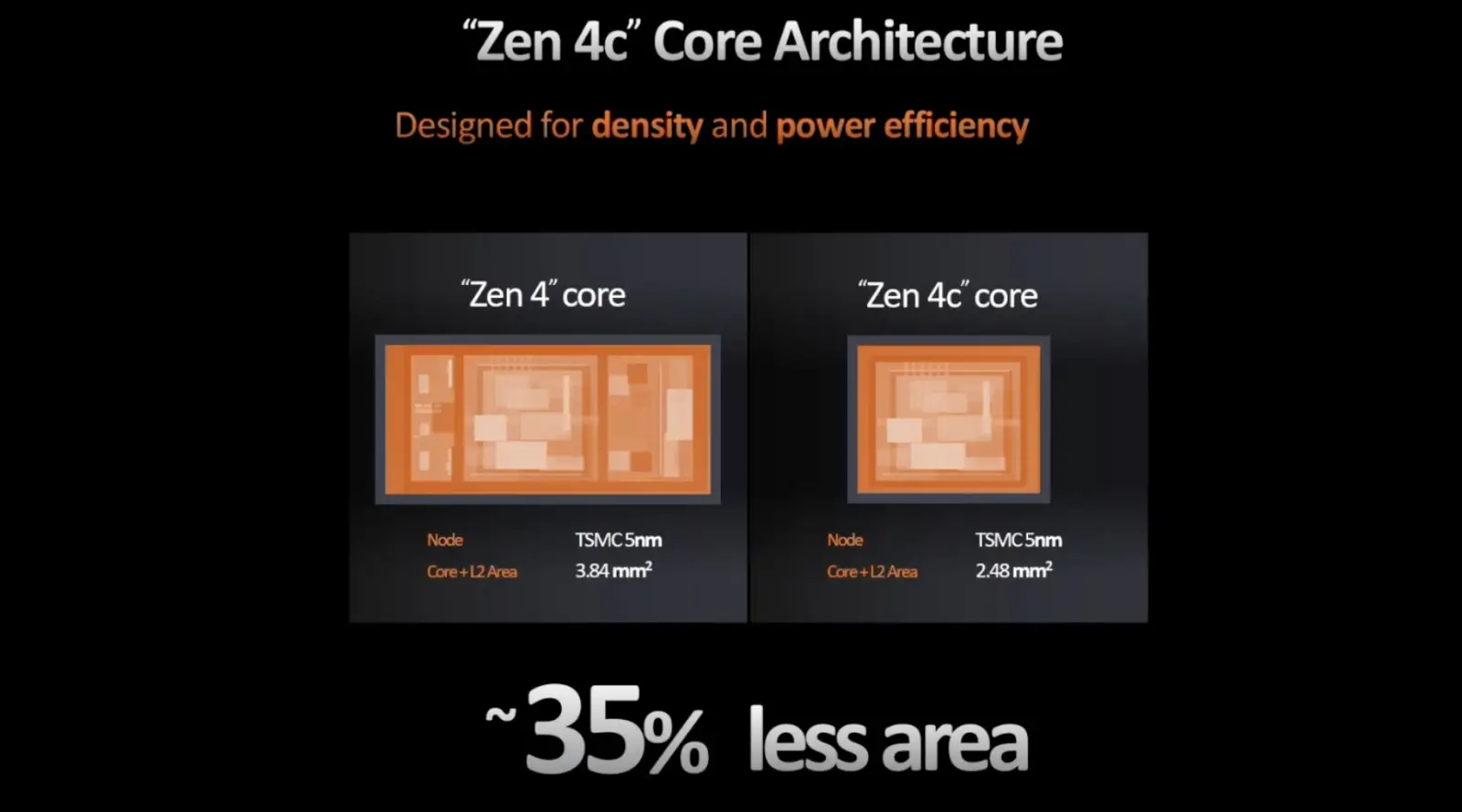
Kernel patches reveal new CPUID value for efficient background tasks
The new architecture sits within AMD's Zen 6 line, specifically targeting the Medusa APU family. Linux kernel patches reveal a CPUID value of 2 to identify this specific low-power core variant. This identifier helps the operating system distinguish the new cores from standard efficiency cores in the Zen 6 hierarchy. The Medusa platform is expected to bring this technology to consumers in the near future.
- Core Type: Low Power (Zen 6 LP)
- ISA: Zen x86
- CPUID Value: 2
- Target Platform: Medusa APU family
- Release Window: CES 2027
Technical details from kernel patches show the core is designed for minimal power consumption during idle states. The system scales performance using the amd_get_highest_perf() function instead of a fixed ceiling. This approach allows the kernel to manage power more dynamically than previous fixed CPPC limits. The design suggests a focus on efficiency rather than raw peak performance for these specific cores.
Sources suggest the Zen 6 Low-Power variant may combine Zen 5 architecture with the Zen 6 instruction set. This configuration aims to balance compatibility with new efficiency features. AMD plans to release these Medusa chips around CES 2027. The release schedule allows developers time to optimize software for the new topology classification.
This update clarifies how AMD intends to manage power in its next-generation mobile processors. The separation of low-power cores allows for better thermal management and battery life in thin-and-light devices. Buyers can expect more efficient background handling in systems built on the Medusa APU family.

Discussion
0 comments
Log in to join the thread with a thoughtful take, question, or correction.