
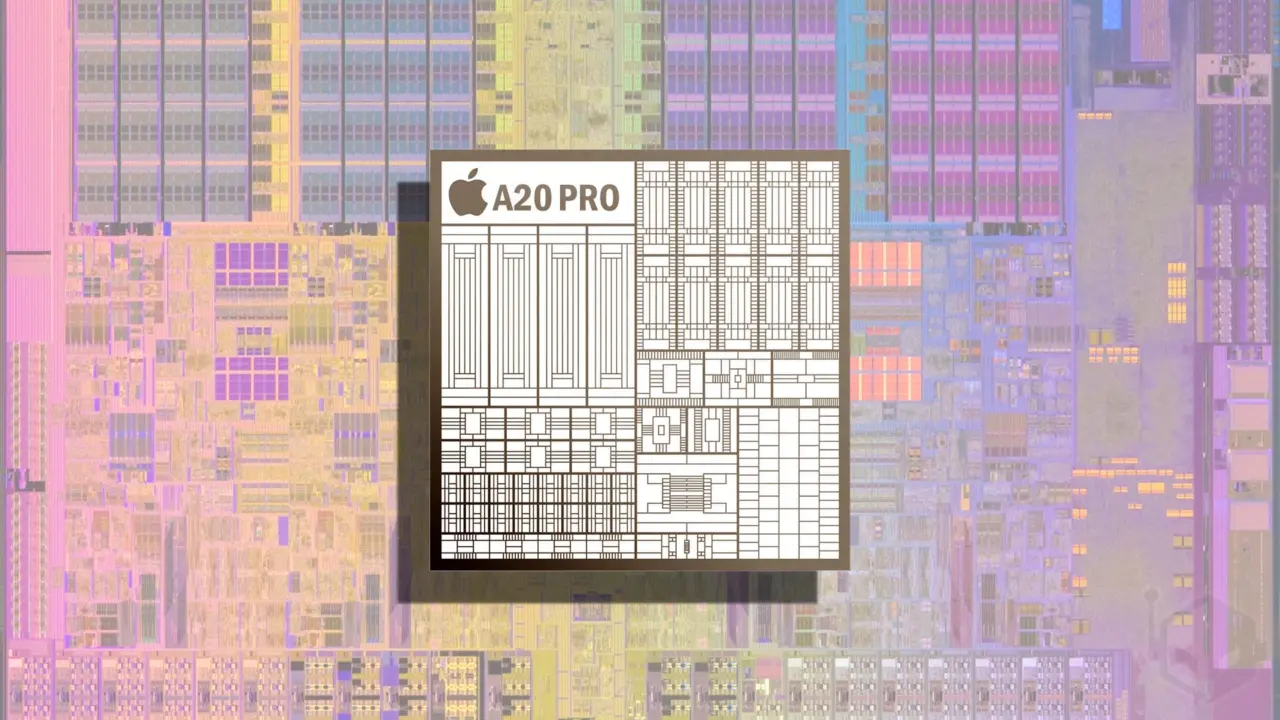
Apple is redesigning the internal layout of its next-generation A20 Pro chip to solve thermal throttling issues that have plagued high-performance smartphones. This architectural shift directly impacts the iPhone 18 Pro by allowing the processor to sustain higher speeds for longer periods without overheating. Buyers and enthusiasts should note that this change prioritizes sustained performance over compact stacking, which may influence how the device feels during intensive tasks like gaming or video rendering.
New packaging allows direct vapor chamber contact for the iPhone 18 Pro
The A20 Pro utilizes a Wafer-Level Multi-Chip Module (WMCM) packaging strategy that mirrors techniques previously seen in Samsung’s Exynos 2700 processors. Apple places the DRAM modules side-by-side with the Application Processor (AP) die rather than stacking them vertically on top. This lateral arrangement changes the physical footprint of the chip assembly and alters how heat spreads across the component.
Specifications
- Packaging Technology: Wafer-Level Multi-Chip Module (WMCM)
- DRAM Placement: Side-by-Side (SbS) alongside the AP
- Thermal Solution: Vapor chamber in direct contact with the die
- Target Device: iPhone 18 Pro

A key feature of this new design is the direct contact between the A20 Pro die and a vapor chamber cooler. This thermal solution aims to dissipate heat more efficiently than previous generations where the die was buried under other layers. The vapor chamber covers only the processor die itself, distinguishing it from Samsung’s Heat Path Block which extends coverage to both the DRAM and the die.
Industry analyst Vadim Yuryev highlighted the practical benefits of this layout, stating that the side-by-side RAM placement allows for better cooling contact. He described the upcoming changes as enabling massive thermal dissipation gains for the iPhone 18 Pro. The shift to an outer-facing SoC design marks a significant departure from traditional stacked memory architectures used in earlier Apple silicon.
Apple’s adoption of WMCM packaging and direct vapor chamber contact signals a clear focus on thermal management for the iPhone 18 Pro. The A20 Pro will likely deliver more consistent performance under load due to these hardware-level improvements. This engineering approach confirms that thermal efficiency is a primary design constraint for Apple’s upcoming flagship device.

Discussion
0 comments
Log in to join the thread with a thoughtful take, question, or correction.