
Apple faces a sharp financial hit after raising prices on MacBooks and iPads, a move that erased $265 billion from its market cap in a single day. The company now seeks a supply chain workaround to stabilize costs by lobbying the U.S. government for permission to buy memory chips from Chinese manufacturer CXMT. This effort matters because it reveals how hardware makers are navigating rising component prices and geopolitical trade restrictions. Buyers may see if this strategy eventually leads to lower device costs or if regulatory barriers remain firm.
Tech giant seeks Chinese supplier to offset recent price hikes
The core of Apple's request involves sourcing memory from CXMT, a company listed on the U.S. 1260H list as a Chinese military entity. Although CXMT is not on the Commerce Department's Entity List, its military ties create a significant compliance hurdle for American tech firms. Apple has not confirmed the lobbying effort, and the Financial Times reported the claim without direct comment from the company. This situation highlights the tension between corporate cost management and national security regulations regarding Chinese technology.
CXMT has demonstrated technical capabilities that make it an attractive supplier for high-performance computing needs. The manufacturer has shown DDR5-8000 and LPDDR5X-10667 memory modules, with these speeds already appearing in Corsair Vengeance DDR5 sticks. These specifications align with the demands of modern laptops and desktops that require fast, efficient memory for multitasking and creative work. The availability of such high-speed chips from a non-U.S. source offers Apple a potential alternative to current suppliers.
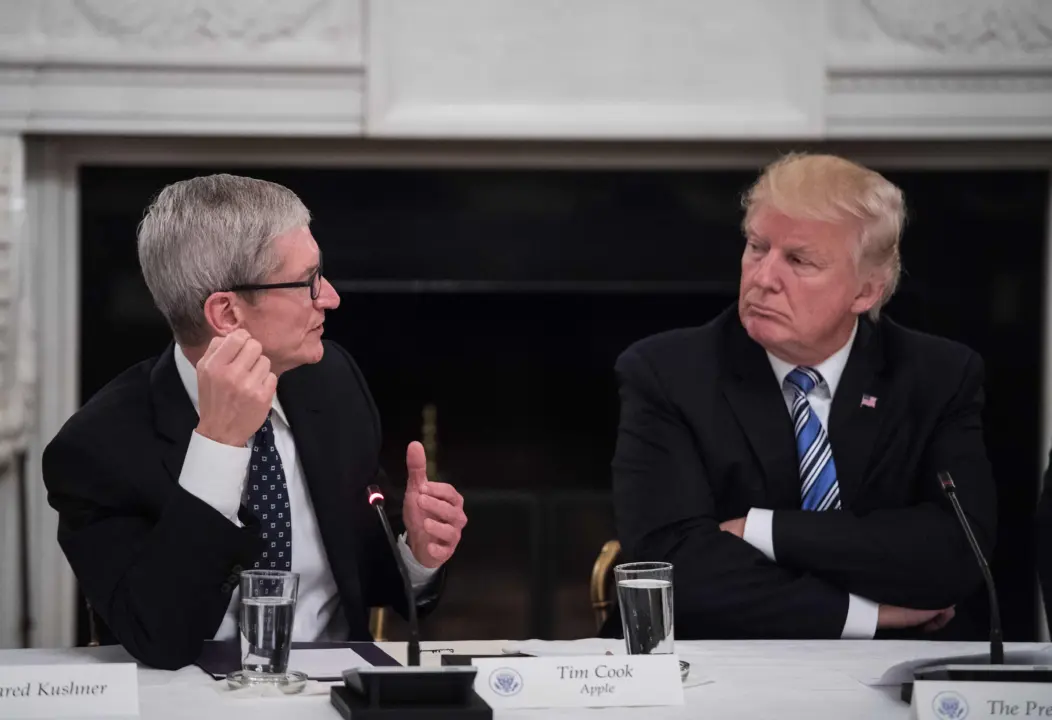
Political opposition to the deal is already forming within the U.S. government. John Moolenaar, chairman of the House China committee, warned that Apple partnering with a Chinese military company would be a grave mistake. An ex-official also criticized the potential deal, suggesting that Trump should keep American memory alive rather than letting Apple prioritize profit margins. These warnings signal that any approval would face intense scrutiny from lawmakers concerned about supply chain security.
The outcome of Apple's lobbying effort remains uncertain as regulatory and political hurdles persist. The company must balance its need for affordable components against the risk of violating U.S. trade policies. Consumers waiting for price reductions will need to watch how this regulatory battle unfolds. The decision will likely influence how other tech giants handle similar supply chain challenges in the coming months.


Discussion
0 comments
Log in to join the thread with a thoughtful take, question, or correction.