

A buyer who ordered a high-end ASUS ROG Swift PG27AQWP-W 540Hz OLED monitor from Amazon received a completely different, broken unit instead. The customer received an older ROG Swift XG27AQDMG 240Hz OLED model with a cracked screen, a swap that likely occurred through Amazon's return logistics system. This incident highlights a significant risk for shoppers purchasing expensive gaming monitors through third-party sellers on major marketplaces. Buyers face substantial financial loss when return shipping costs approach the original purchase price.
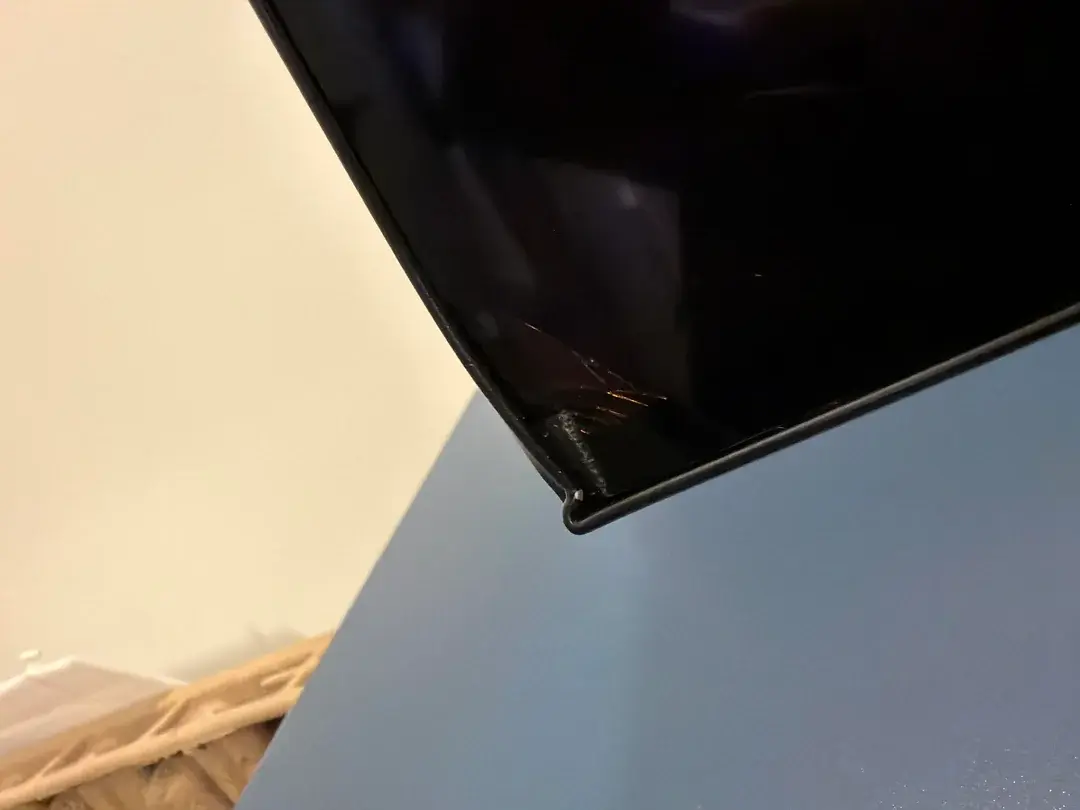
Return shipping costs nearly equal purchase price
The specific product involved is the ASUS ROG Swift PG27AQWP-W, a 27-inch 1440p OLED display marketed for its 540Hz refresh rate. The unit delivered to the customer was the ROG Swift XG27AQDMG, a previous generation model with a 240Hz refresh rate. Both monitors are OLED panels designed for high-performance gaming, but they represent distinct hardware generations with different performance specifications. The discrepancy between the ordered 540Hz model and the delivered 240Hz model indicates a deliberate substitution rather than a simple shipping error.
- Ordered Model: ROG Swift PG27AQWP-W (540Hz, 1440p OLED)
- Received Model: ROG Swift XG27AQDMG OLED (240Hz)
- Received Condition: Broken screen
- Purchase Price: $1100
- Initial Shipping Cost: $368
The financial impact of this swap becomes clear when reviewing the associated costs. The customer paid $1,100 for the monitor on Amazon. Initial international shipping to the buyer's country cost an additional $368. When the customer attempted to return the broken, incorrect item to the US warehouse, Amazon required a shipping payment of $600. These logistics fees demonstrate how return costs can quickly erode the value of high-end hardware purchases.
The total cost to return the incorrect item reaches $968 when combining the initial $368 shipping fee and the $600 return shipping fee. This amount nearly equals the $1,100 purchase price, leaving the buyer with a broken monitor and minimal financial recourse. The incident suggests that Amazon's return mechanism may be vulnerable to item swapping by previous buyers or malicious actors. Such vulnerabilities allow defective or incorrect items to re-enter inventory and be sold to unsuspecting customers.
This case underscores the practical challenges of buying specialized gaming hardware from large online retailers. Consumers must weigh the convenience of marketplace purchases against the potential for logistical fraud and high return barriers. The ASUS ROG Swift PG27AQWP-W remains a high-specification display, but this incident serves as a cautionary example for buyers. Shoppers should carefully review seller policies and return costs before committing to expensive electronic purchases.

Discussion
0 comments
Log in to join the thread with a thoughtful take, question, or correction.