
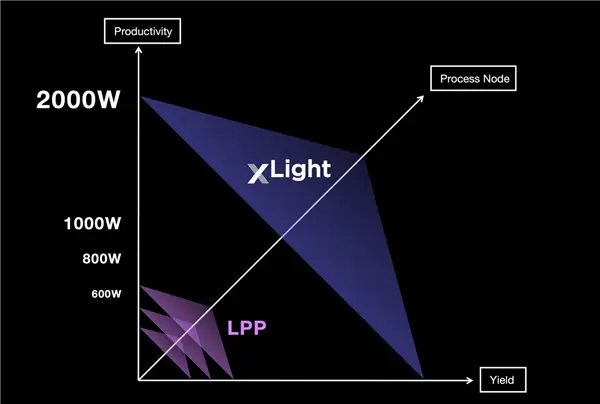
The US government has taken a major stake in xLight by investing $150 million, signaling a strategic push to diversify semiconductor manufacturing equipment sources. This financial backing allows the company to pursue a new approach to extreme ultraviolet lithography that could eventually challenge existing market dominance. Buyers in the tech sector should watch this development as it highlights a potential alternative to the current monopoly held by ASML in the high-end chip production space.
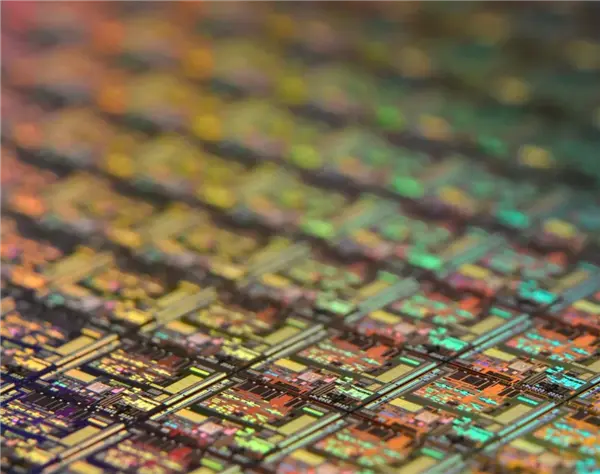
Pat Gelsinger leads startup developing 1000W Free Electron Laser technology
xLight is developing an EUV lithography system that relies on Free Electron Laser technology rather than traditional plasma-based light sources. The company is led by Pat Gelsinger, who previously served as the chief executive officer of Intel. This leadership structure connects the startup directly to the broader semiconductor industry and its existing supply chain expertise.
Specifications
- Light Source Technology: Free Electron Laser (FEL)
- Target Light Source Power: 1000W
- Prototype Release: 2028
The core technical advantage of xLight's system lies in its light source power, which targets 1000 watts. This output is four times stronger than the 250-watt standard currently used by ASML's EUV machines. The company aims to increase this power further to 2000 watts in future iterations. This significant boost in power could potentially improve manufacturing throughput for advanced chip nodes.
xLight plans to release a prototype of its system in 2028. The company is currently in talks to secure an additional $350 million in financing from investors such as Bain Capital. This funding round is necessary to support the development and testing of the new technology before it reaches the prototype stage.
This investment marks a concrete step toward establishing a non-ASML supply chain for EUV lithography tools. The US government's involvement underscores the strategic importance of domestic semiconductor manufacturing capabilities. The industry will monitor xLight's progress as it moves toward its 2028 prototype target.

Discussion
0 comments
Log in to join the thread with a thoughtful take, question, or correction.