
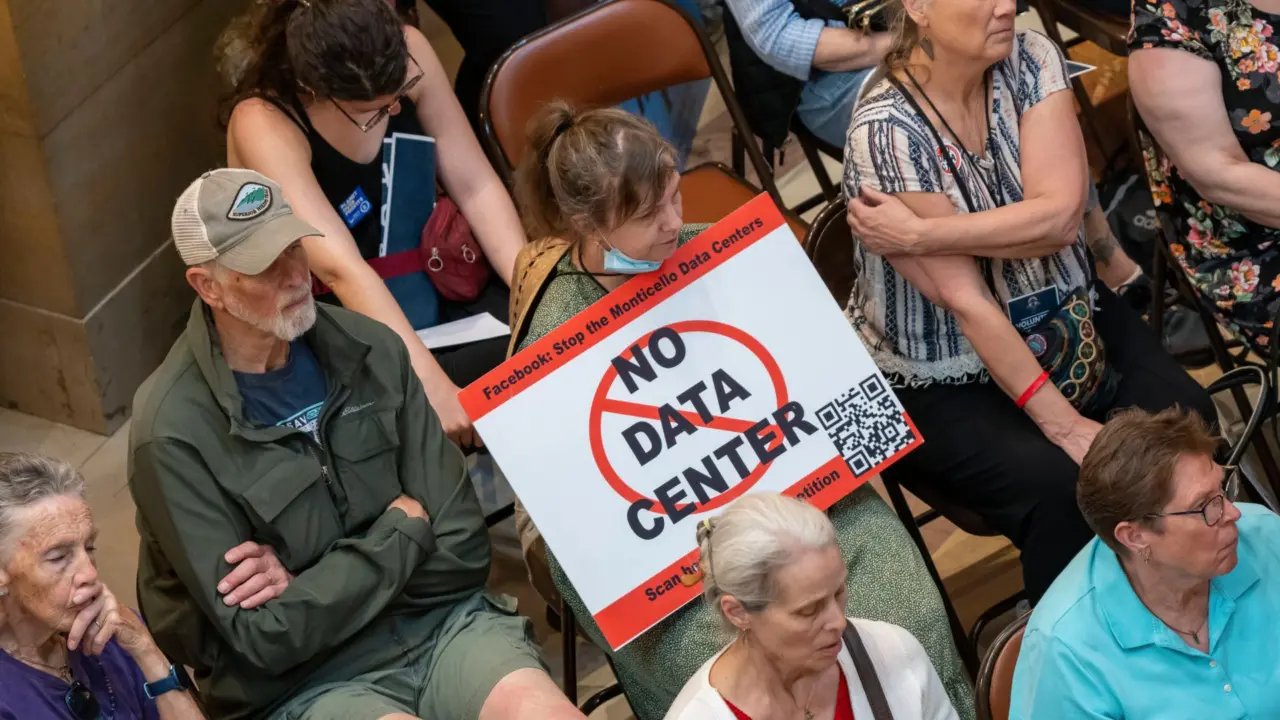
Over 75 data center projects worth $130 billion faced blockage or delays during the first four months of 2026. This wave of opposition targets artificial intelligence infrastructure across multiple states and creates immediate hurdles for major technology vendors. Local communities are actively resisting these facilities due to concerns about rising utility costs and environmental impact.
Local communities and bipartisan groups halt massive AI infrastructure plans over utility costs
Various large-scale cloud operators including Microsoft, Amazon, and Anthropic are encountering this coordinated pushback as they attempt to expand their compute capacity. The projects involve massive physical footprints that require substantial electrical grid connections and water resources for cooling systems. These firms depend on steady building schedules to satisfy the rising need for computing capacity used in artificial intelligence applications.
Bipartisan political groups have driven much of the resistance against these facilities. At least 69 local government units enacted formal bans by May 2026. Seattle implemented a one-year moratorium that specifically affects five proposed projects in the region. The Maine legislature passed a statewide ban bill, though the governor issued a veto on the measure.
Reports indicate that some Chinese users have been amplifying opposition issues while posing as American residents. Such developments complicate ongoing discussions regarding construction projects and their effects on surrounding neighborhoods. The scale of this coordinated effort remains unverified by independent observers.
The regulatory landscape for data center construction has shifted dramatically in early 2026. Communities across the United States are prioritizing electricity price stability, water conservation, and noise reduction over rapid tech expansion. These localized decisions directly limit the physical infrastructure available for artificial intelligence workloads.



Discussion
0 comments
Log in to join the thread with a thoughtful take, question, or correction.