
Financial analysts at JP Morgan have dismissed recent supply chain rumors regarding Intel and Google as a minor disturbance. The bank characterized reports of Intel manufacturing three million custom AI chips for Google as a storm in a teacup. This assessment directly counters earlier coverage that suggested Intel would take on significant foundry duties for the search giant.
Financial analysts clarify Intel's limited role in Google's custom silicon production, confirming TSMC handles chip fabrication.
The controversy stems from a report by The Information claiming Intel secured an order to produce custom AI chips for Google. JP Morgan analysts clarified that TSMC continues to manufacture both the computing and I/O dies for these processors. They confirmed that TSMC utilizes a two-nanometer process for the computing die and a three-nanometer process for the input-output die.
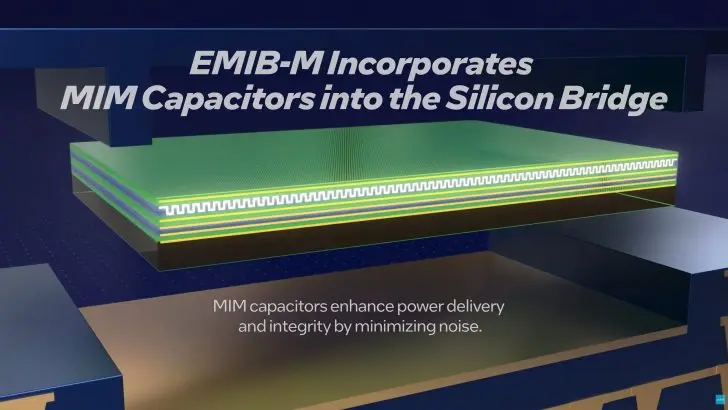
According to the financial analysis, Intel's role is restricted to packaging the components rather than fabricating the silicon. The company uses its EMIB-T technology to assemble the chips instead of acting as a full-scale foundry. Citibank analysts noted that some market participants may still misinterpret the report as covering Intel's broader foundry services beyond just packaging.
JP Morgan explicitly stated that there is no substantial activity and clearly no new content regarding this supposed manufacturing deal. The bank rejected the narrative that Intel would produce three million TPUs through direct fabrication. This clarification limits Intel's involvement to advanced packaging solutions for Google's custom silicon.
The Information originally reported that Intel would handle chip production, sparking widespread speculation about a major shift in semiconductor supply chains. JP Morgan and Citibank have since pushed back against the idea of Intel becoming a primary manufacturer for Google's AI workloads. The consensus among these financial institutions is that TSMC retains its dominant position in chip fabrication.
Intel relies on EMIB-T technology as a cost-effective alternative to TSMC's CoWoS packaging for custom AI chips. This approach targets low-power compatible AI applications rather than full silicon production. Citibank analysts observe that buyers might still view the arrangement as Intel expanding its foundry portfolio, even if the scope is limited.

Discussion
0 comments
Log in to join the thread with a thoughtful take, question, or correction.